FAO Highlights Plastic Pollution Risks to U.S. Food Safety and Calls for Integrated Policy Approach
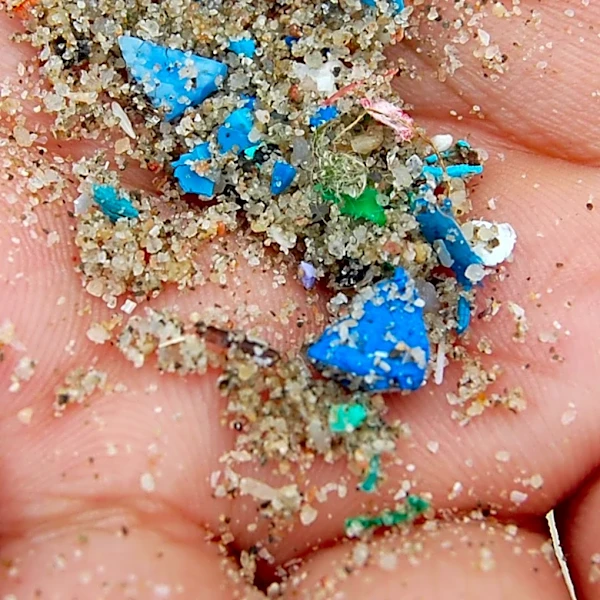
The Food and Agriculture Organization of the United Nations (FAO) has released a technical brief detailing how plastic pollution permeates agrifood systems, posing interconnected risks to food safety and the health of humans, animals, plants, and the environment. The report, titled 'Plastic Pollution in Agrifood Systems and One Health: Impact Pathways and Policy Implications,' emphasizes that over 16,000 chemicals are found in plastics, with a quarter deemed hazardous due to their persistence, bioaccumulation, mobility, or toxicity. A significant 66 percent of these chemicals lack official hazard classifications from regulatory agencies or industry. Human exposure to these chemicals can occur through contaminated foods, migration from food-contact materials, inhalation, dermal contact, and occupational exposures. Micro- and nanoplastics (MNPs) can affect soil structure, microbiota, and nutrient cycling in agricultural soils, and plants can absorb MNPs and associated chemicals into edible tissues. The FAO a...