NASA's Artemis II Launch Creates Continent-Sized Ionospheric Disturbances, Potentially Affecting GPS Accuracy
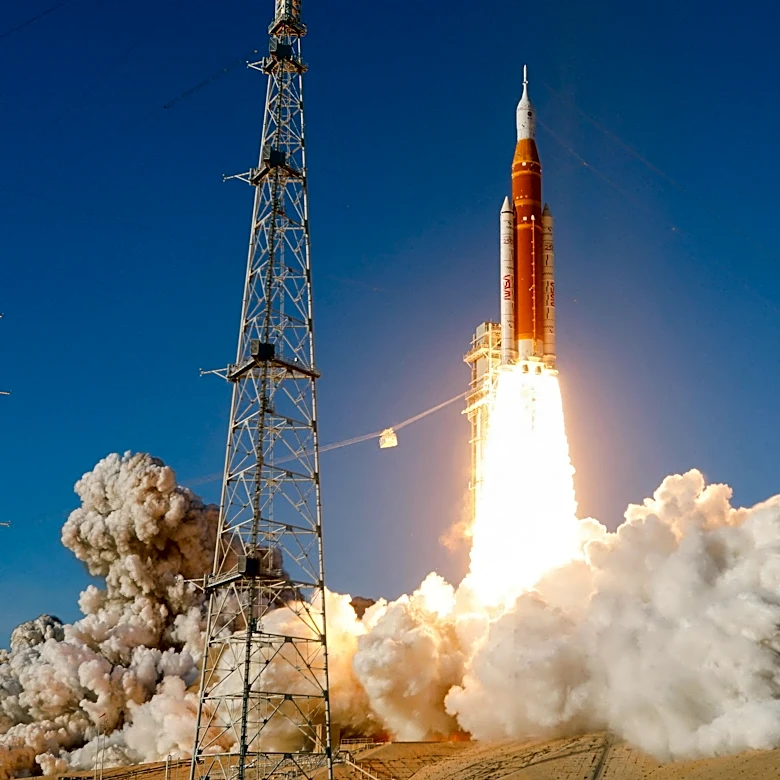
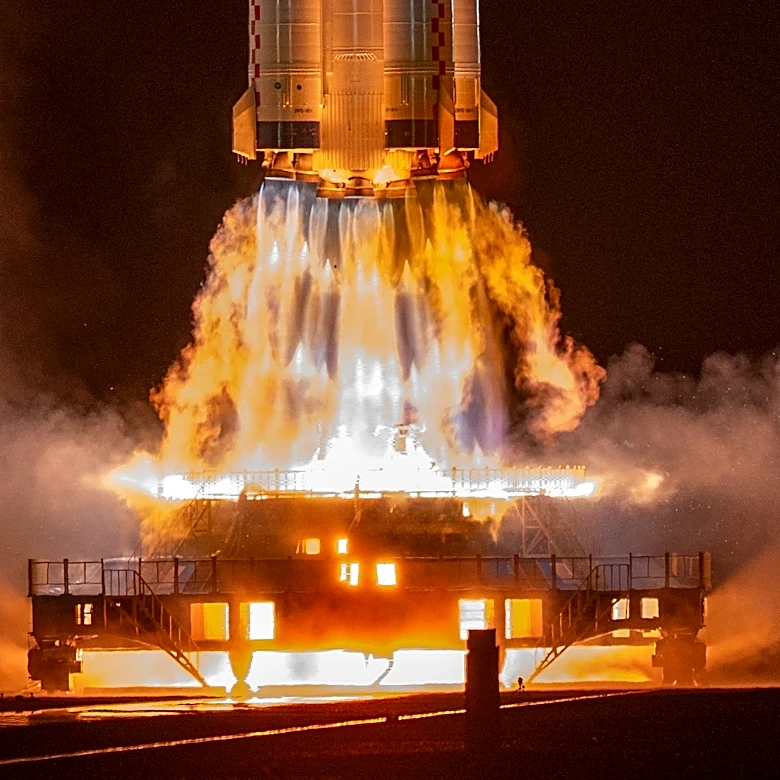
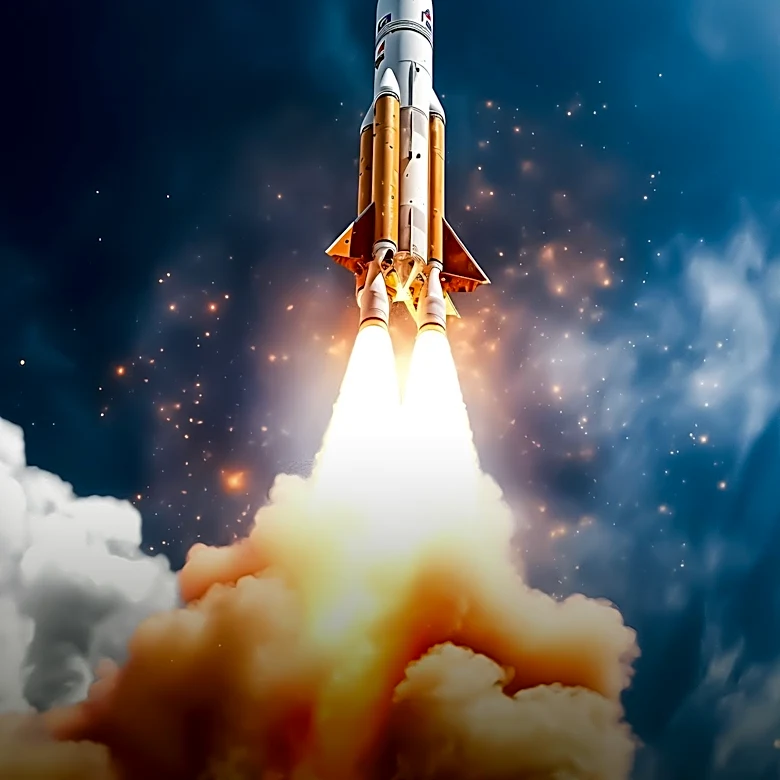
NASA's Artemis II mission, which sent four astronauts around the Moon, caused significant temporary disturbances in Earth's ionosphere. A new study, led by scientists at National Cheng Kung University in Taiwan, indicates that the rocket temporarily stripped electrons from the upper atmosphere, creating two disturbances each stretching approximately 3,100 miles (5,000 kilometers) across the Americas. These effects were up to 10 times more intense than those observed from SpaceX Starship test flights. The first disturbance occurred during the Space Launch System core stage's ascent, while the second, more prominent one, happened over an hour after liftoff when the upper stage fired its engine twice directly within the ionosphere. This exhaust chemically reacted with the charged gas, depleting electrons over a wide area. The research utilized high-precision ground-based GPS receivers, typically used for tracking tectonic plate motion, to map these electron changes.