Researchers Achieve Breakthrough in Cryogenic Brain Tissue Recovery
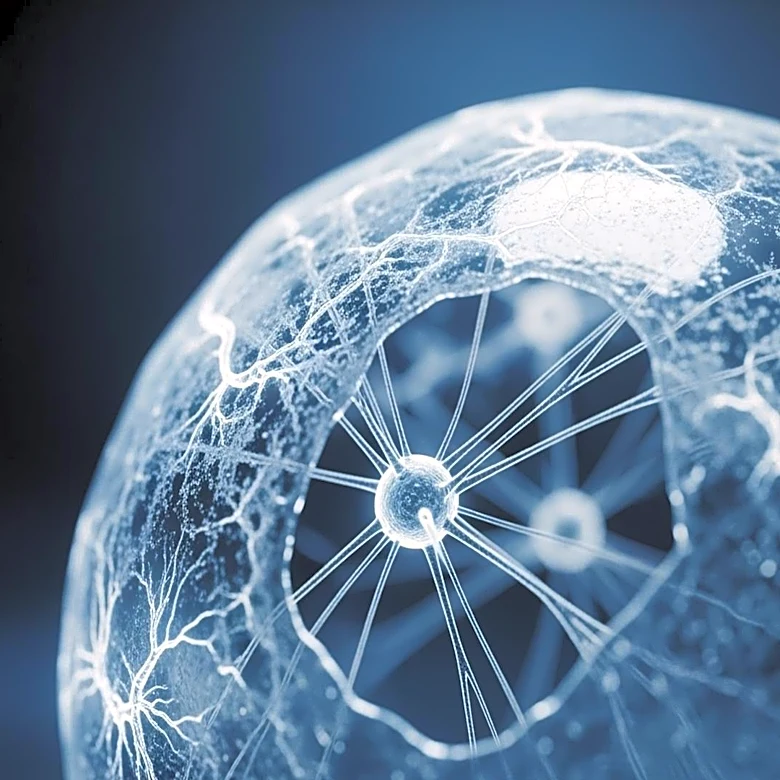
In a groundbreaking study, researchers have successfully demonstrated that frozen brain tissue from mice can return to normal function after being subjected to extremely cold conditions. The study, conducted by a team of German scientists, involved cooling slices of mouse hippocampal tissue, which is associated with memory and learning, to minus 196 degrees Celsius. The findings revealed that the neurons and synapses necessary for learning and memory maintained their structural integrity and resumed normal activity after rewarming. This research suggests that brain tissue is more resilient than previously believed, extending its tolerance from hypothermic to cryogenic states. The study, published in the Proceedings of the National Academy of Sciences, marks a significant step towards the possibility of human hibernation, which could have applications in space travel.