Astronomers Discover Supermassive Black Hole Formed Before Its Galaxy
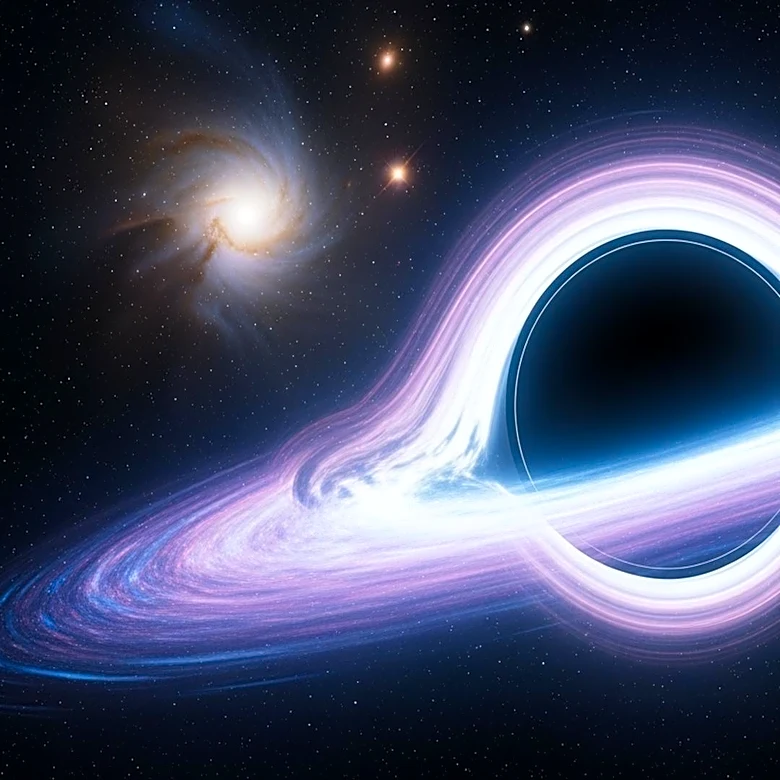
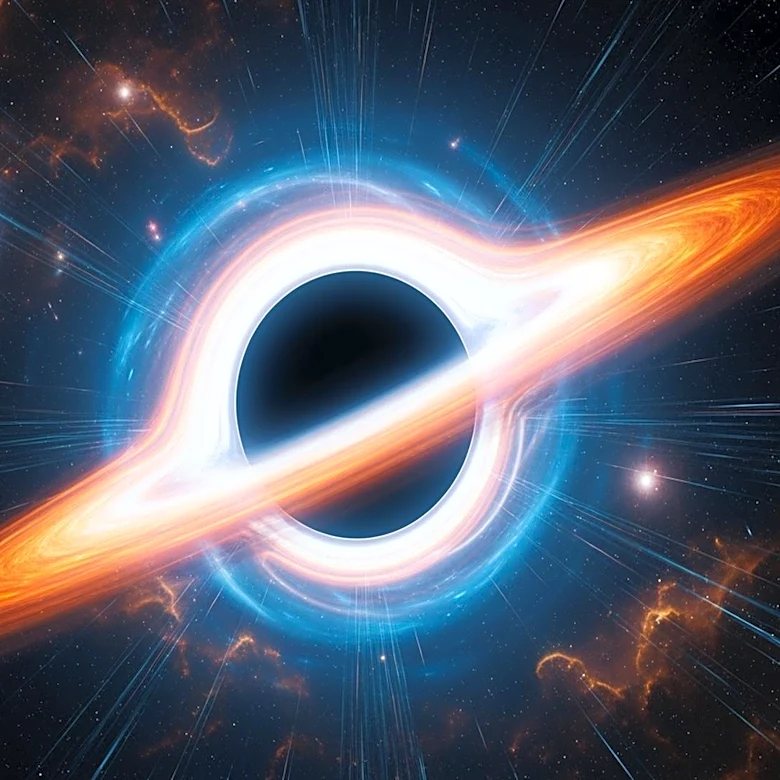
Recent observations from the James Webb Space Telescope have revealed that a supermassive black hole, identified as QSO1, likely formed before the galaxy surrounding it. This discovery challenges traditional models of galaxy formation, which typically suggest that black holes grow within pre-existing galaxies. The research, led by Roberto Maiolino at the University of Cambridge, indicates that QSO1 existed in a 'pristine' environment, devoid of stars or stellar remnants. The study, published in the Monthly Notices of the Royal Astronomical Society, suggests that the black hole's formation occurred in the early universe, approximately 700 million years after the Big Bang. The findings propose that the black hole may have formed through a 'heavy seed' scenario, where it was already massive at birth, rather than growing from smaller 'seed' black holes.