Astronomers Discover Oldest Compact Quasar Pair, Challenging Early Universe Formation Theories
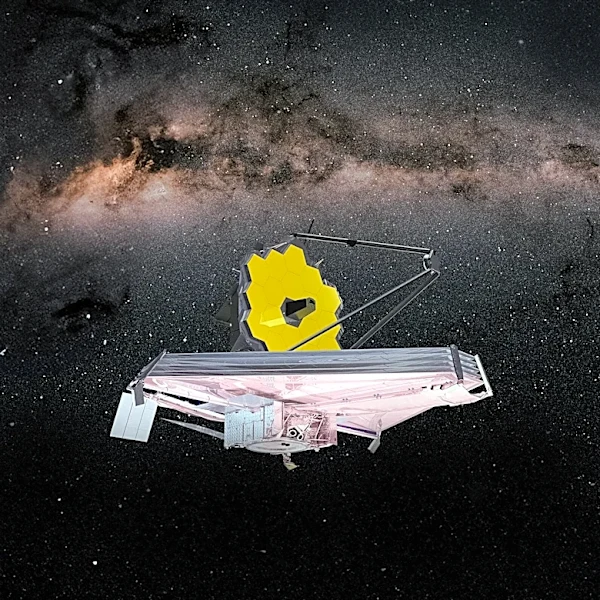
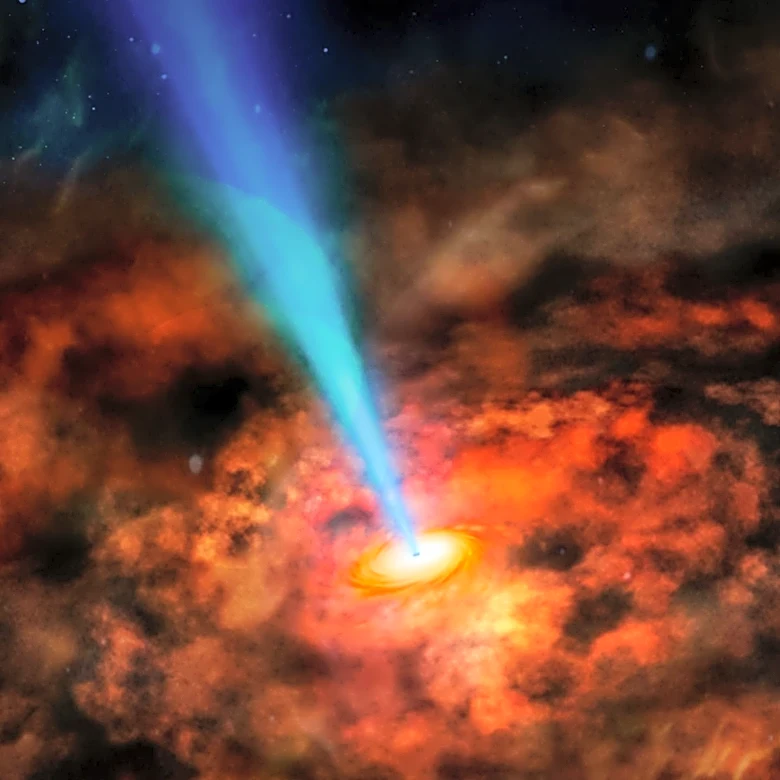
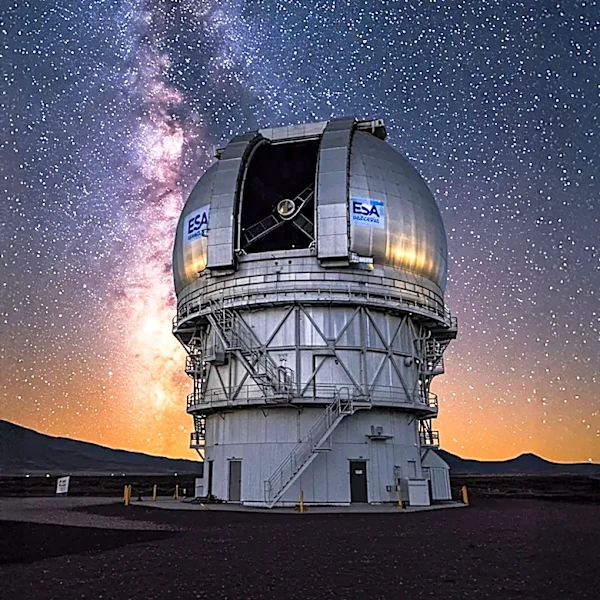
An international team of astronomers, utilizing the Gemini North telescope and the James Webb Space Telescope (JWST), has discovered Nāpōwawāʻenakaulua, the oldest and most compact pair of quasars ever observed. This quasar pair exists just 900 million years after the Big Bang, a period known as cosmic dawn. The discovery challenges current scientific understanding because the supermassive black holes within this pair are as massive as those seen today, an unexpected finding for such an early stage of the Universe's development. The pair, separated by approximately 18,100 light-years, consists of two supermassive black holes with masses of 1.5 billion and 400 million times that of the Sun, respectively. Silvia Onorato, a postdoctoral research associate at NSF NOIRLab, led the study, which was published in The Astrophysical Journal Letters. The discovery was made during visual inspections of data from the Aether survey, a JWST program aimed at cataloging objects in the early Universe.