Washington D.C. Implements Novel Mosquito Control Strategy by Releasing 600,000 Wolbachia-Infected Mosquitoes
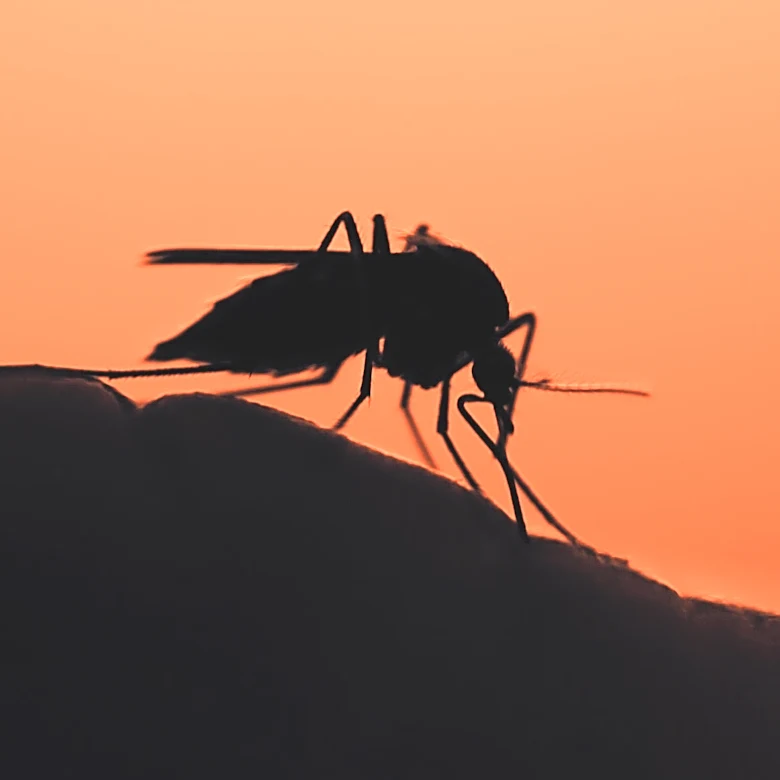
Washington D.C. is initiating a new mosquito control program involving the release of 600,000 male mosquitoes infected with Wolbachia bacteria. This method aims to reduce the overall mosquito population by preventing the hatching of eggs. Male mosquitoes, which do not bite humans, are central to this strategy. When these Wolbachia-infected males mate with wild female mosquitoes, the bacteria interfere with the reproductive process, rendering the eggs non-viable. This approach, described as 'fighting fire with fire,' is a novel method for mosquito control in the United States, though similar techniques have been successfully implemented in other countries. For instance, places like Singapore have reported significant reductions in mosquito populations, ranging from 80% to 90%, using comparable methods. The initiative addresses the growing concern over mosquito-borne diseases, especially as climate change contributes to the expansion of mosquito habitats into more temperate regions.