Blacklegged Tick Activity Persists in Fall and Warmer Winter Days, Posing Continued Risk
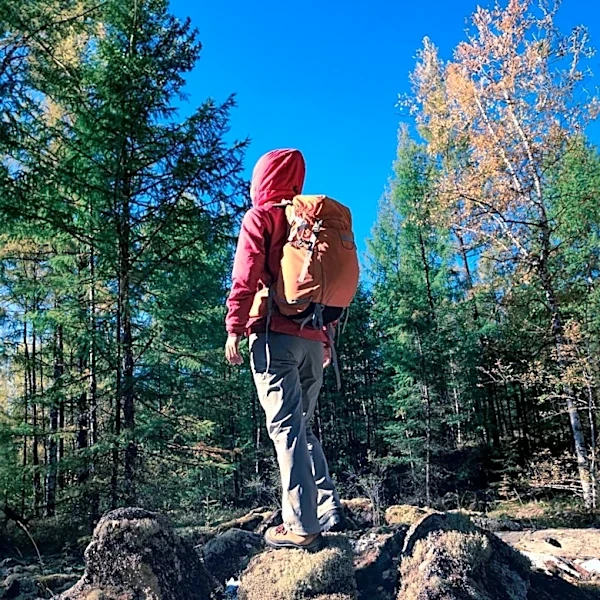
Blacklegged ticks, also known as deer ticks, remain active during the fall months and can re-emerge to seek hosts on warmer winter days, even when temperatures decrease. These ticks become active again in autumn, actively searching for a host before the onset of deep winter. During periods when winter temperatures rise above freezing, blacklegged ticks can also become mobile. This persistent activity means that outdoor activities such as raking leaves, hiking, or hunting can bring individuals into contact with ticks, particularly in regions like the Northeast, Mid-Atlantic, and Upper Midwest. Blacklegged ticks are known carriers of various infections, including Lyme disease, anaplasmosis, and babesiosis. The Centers for Disease Control and Prevention (CDC) recommends using EPA-registered repellents, checking oneself, children, and pets after being outdoors, showering within two hours of coming inside, and drying outdoor clothing on high heat for 10 minutes.