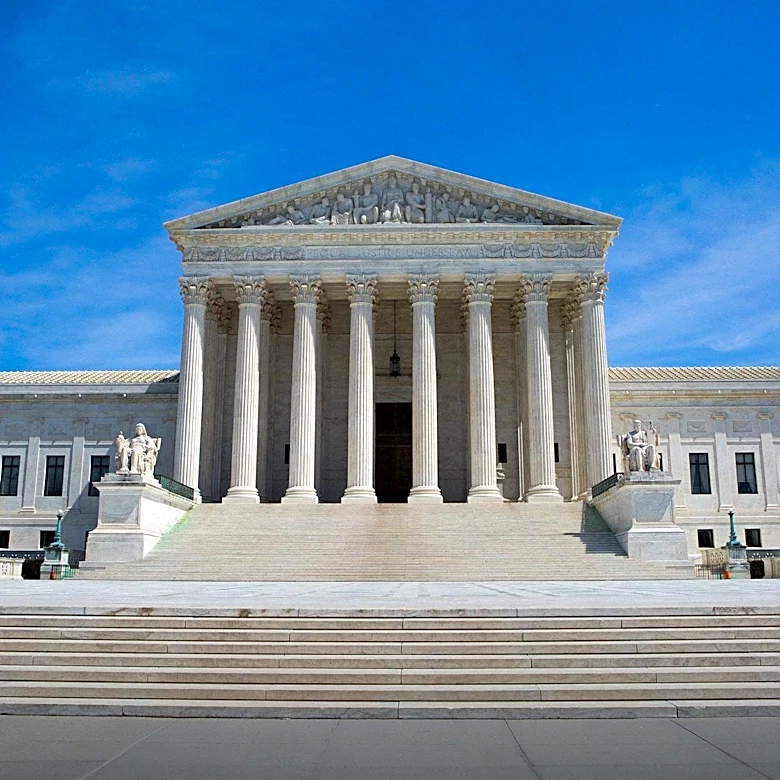
Federal Judiciary Comprises Supreme Court, Courts of Appeals, and Inferior Courts with Lifetime Tenures
The federal judiciary in the United States is structured around the Supreme Court, Courts of Appeals, and other inferior courts established by Congress. This judicial branch holds power over cases concerning the federal constitution, federal statutes, federal regulations, and treaties with foreign nations. The Supreme Court possesses both original and appellate jurisdiction, with its appellate powers defined by federal statutes. A defining characteristic of federal judges, including those in the Supreme Court and inferior courts, is their lifetime tenure, provided they maintain 'good Behaviour.' Furthermore, their compensation cannot be diminished during their time in office, ensuring judicial independence. The judicial power extends to a broad range of cases, including those involving the U.S. as a party, disputes between states, and cases involving foreign entities or citizens from different states. Criminal cases in federal courts are tried by jury in the state where the alleged federal crime occurred.