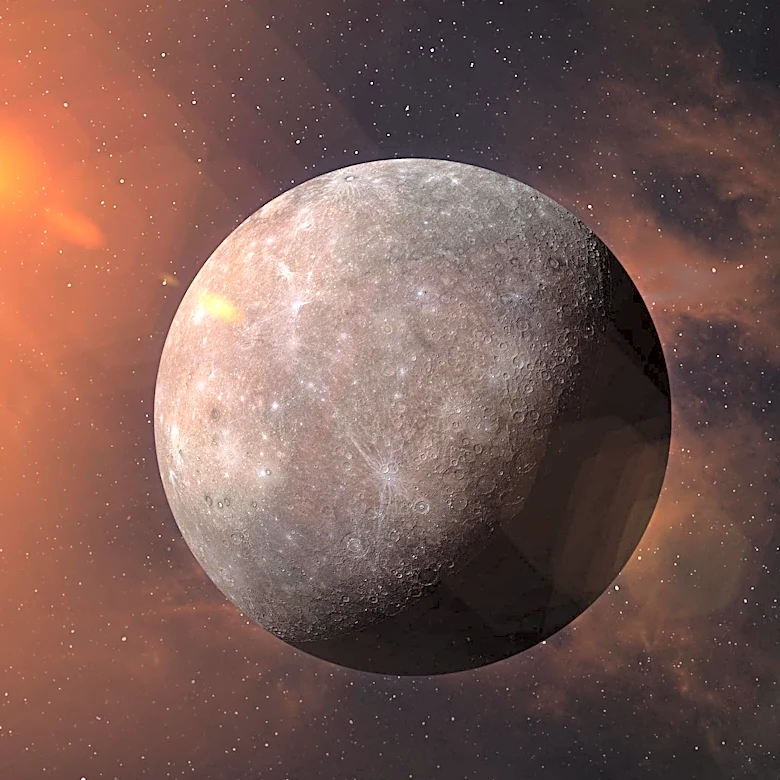
New Study Suggests Mercury Shrank Significantly More Than Previously Estimated
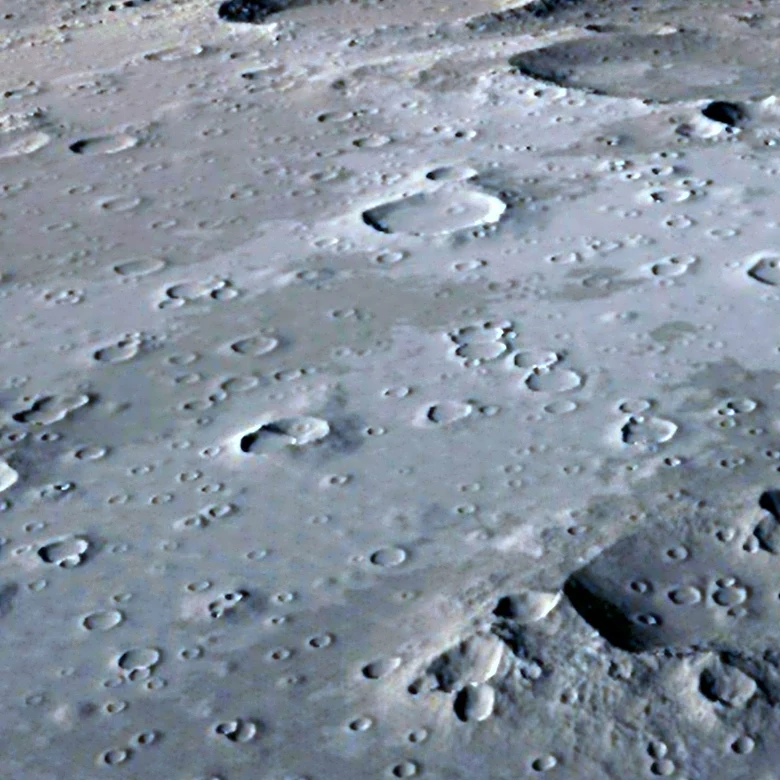
A new study indicates that Mercury, the smallest planet in our solar system, may have shrunk by as much as 7.2 miles (11.6 kilometers) in radius, which is up to 30% more than previous estimates. Scientists, led by Dr. Gaku Nishiyama of the German Aerospace Center (DLR), suggest that Mercury's heavily cratered surface has concealed a substantial portion of the faults created as the planet cooled and contracted over billions of years. The study, published in Geophysical Research Letters, found that tectonic structures, which are indicators of planetary contraction, were preferentially identified in smoother terrains, while rougher, heavily cratered regions contained fewer detectable structures. This suggests that older structures might have been hidden under impact material or become difficult to discern against the rough topography, leading to an underestimation of the planet's overall shrinkage.