U.S. Renewable Energy Subsidies and Standards Face Scrutiny Amidst Rising Consumer Costs
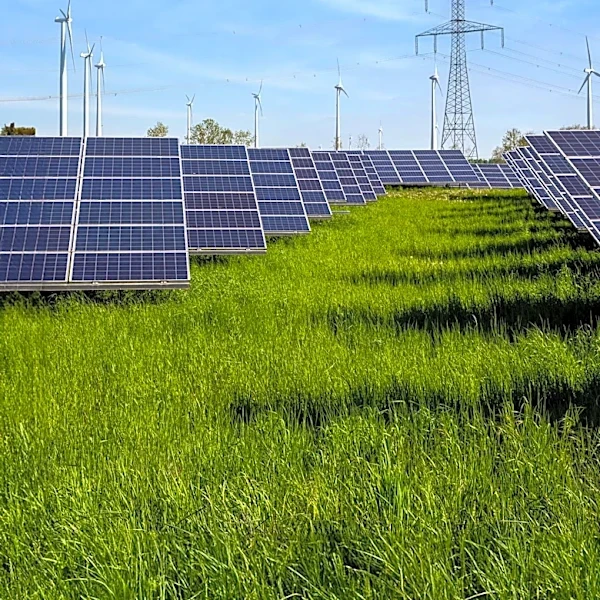
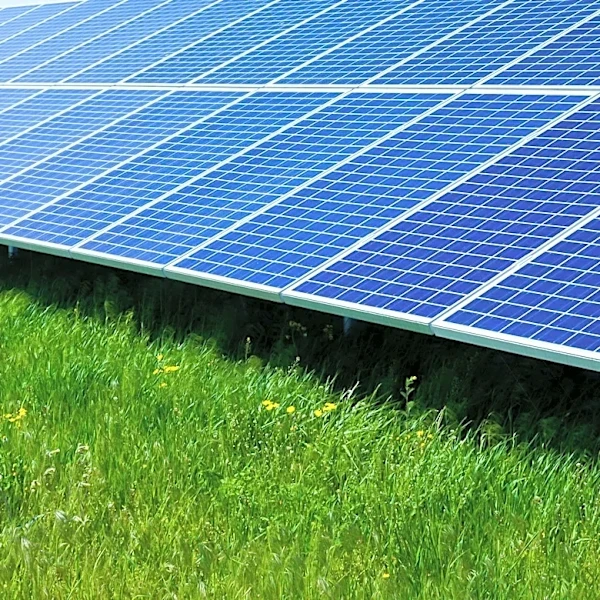
Subsidies for solar and wind energy, particularly those provided by the Inflation Reduction Act (IRA), have significantly influenced renewable energy investments in the U.S. While these incentives led to a surge in projects in 2025, their subsequent repeal resulted in a sharp decline in investments, indicating a strong reliance on these subsidies. Concurrently, state-level Renewable Portfolio Standards (RPS) mandate that a certain percentage of energy come from renewable sources. These standards often necessitate the purchase of Renewable Energy Credits (RECs) by utilities, especially in states that cannot generate enough renewable power to meet their targets. RECs act as an additional subsidy for renewable generators and an implicit tax on fossil fuel generators, with the costs ultimately passed on to consumers through higher utility bills. For instance, RPS compliance costs in the District of Columbia more than doubled for typical households between 2022 and 2025, and are projected to double again by 203...