Low Snowpack in Western U.S. Threatens Agricultural Output and Food Supply
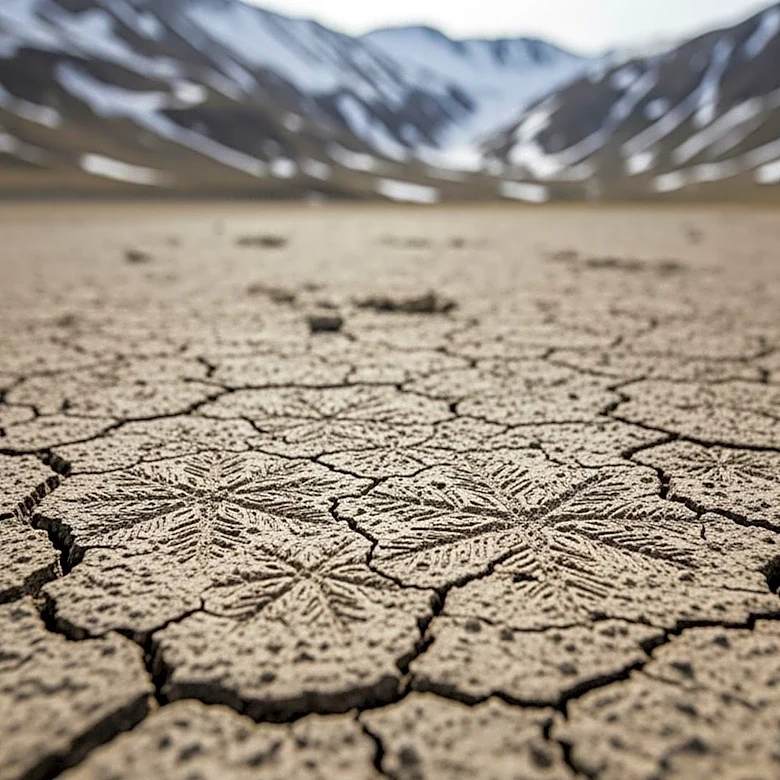
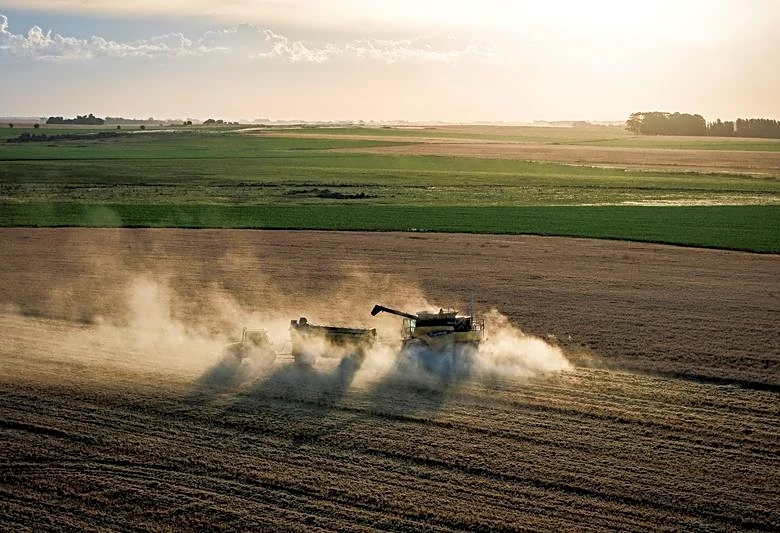
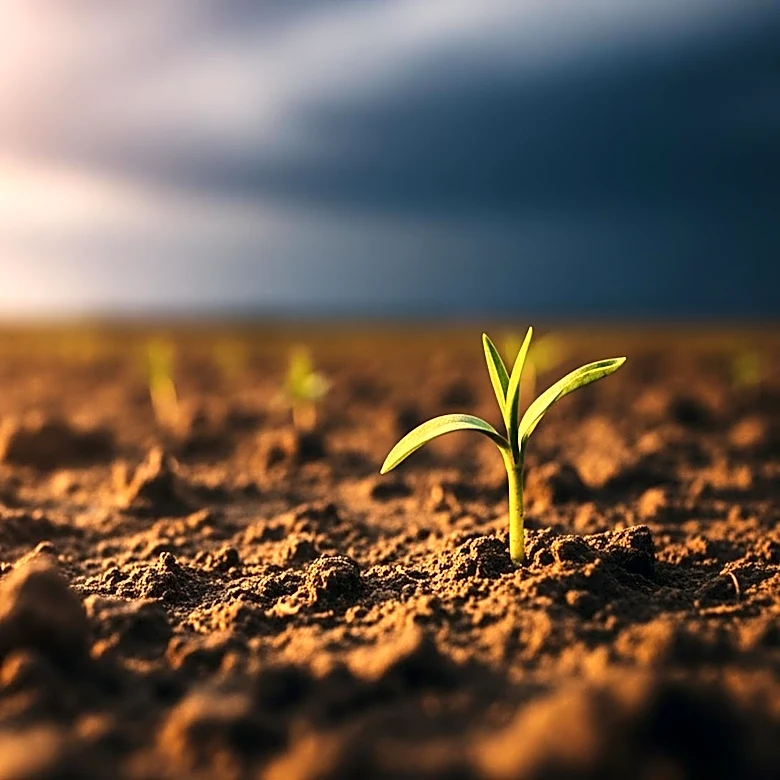
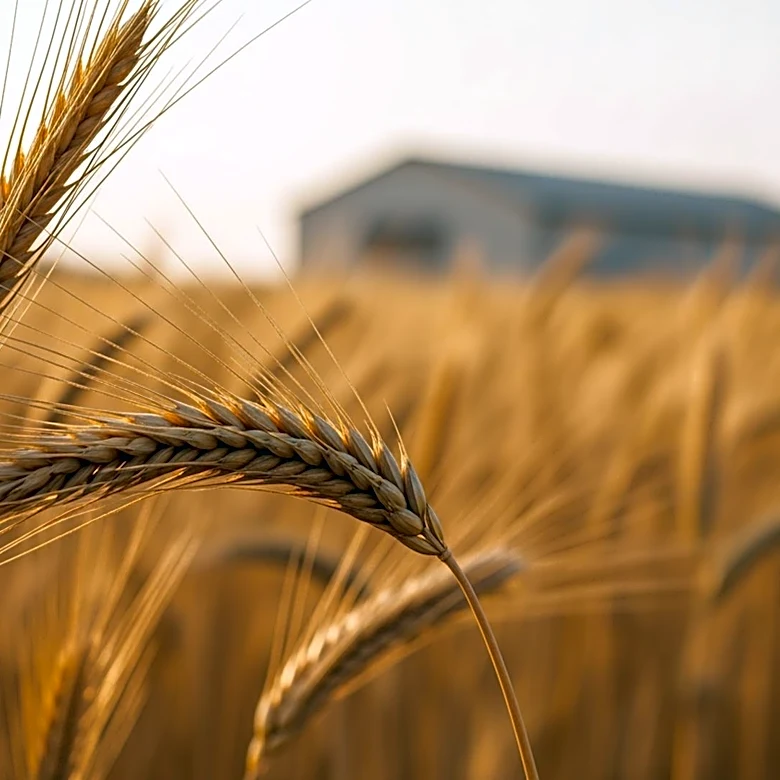
The Western United States is experiencing significant agricultural challenges due to low snowpack levels, which are far below historical averages. Snowpack serves as a crucial water reserve, feeding rivers and farms during the spring and summer. This year, several Western states report snow levels as low as 10% of normal, leading to reduced water availability for irrigation and livestock operations. The region is vital for national food production, supplying a large portion of the country's fruits, vegetables, and tree nuts, as well as dairy, cattle, wheat, and hay. With reduced snowpack, water managers are cutting irrigation allocations, leaving farmers uncertain about water availability throughout the growing season. This situation forces crop farmers to plant fewer acres or focus on high-value crops, while livestock producers face increased feed costs and may need to reduce herd sizes.