Changing Weather Patterns Fuel Valley Fever's Spread Across the U.S.
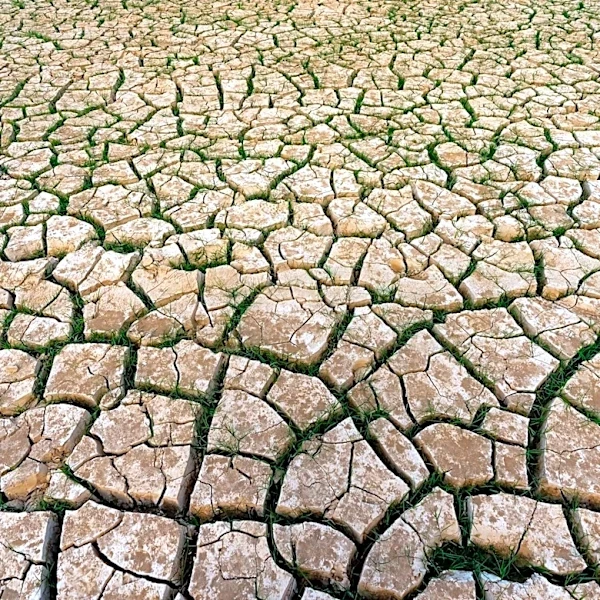
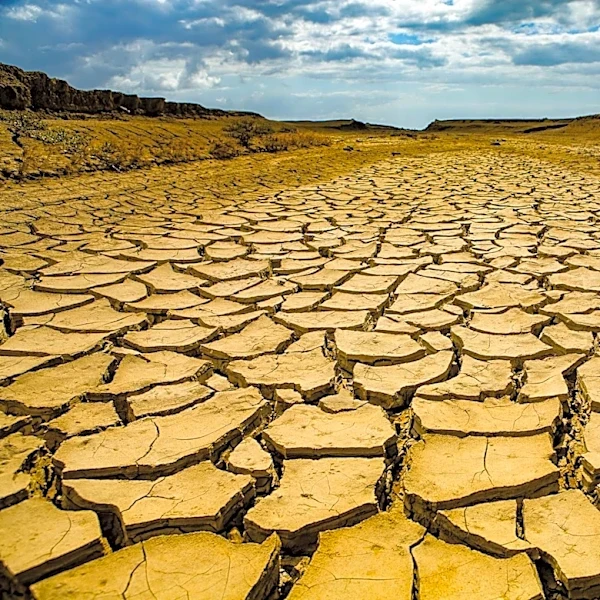
Valley Fever, a soil-borne fungal disease historically concentrated in the Desert Southwest, is expanding its reach due to changing weather patterns. The disease, caused by the coccidioides fungus, thrives in arid soil and becomes airborne during dust storms, hurricane winds, and floodwaters. Climate change is creating hotter, drier conditions interspersed with extreme rain events, which are ideal for the spread of these microscopic spores. Experts warn that Valley Fever infections are increasingly being reported outside traditional hotspots like Arizona, California, New Mexico, and Texas, with cases now emerging in Oregon, Washington, and potentially the Midwest. The disease could even reach Canada within decades. Awareness and early diagnosis are critical, as symptoms can mimic the flu but may lead to severe complications like meningitis if untreated.