Large Hadron Collider Continues Search for Quantum Black Holes to Unify Physics Theories
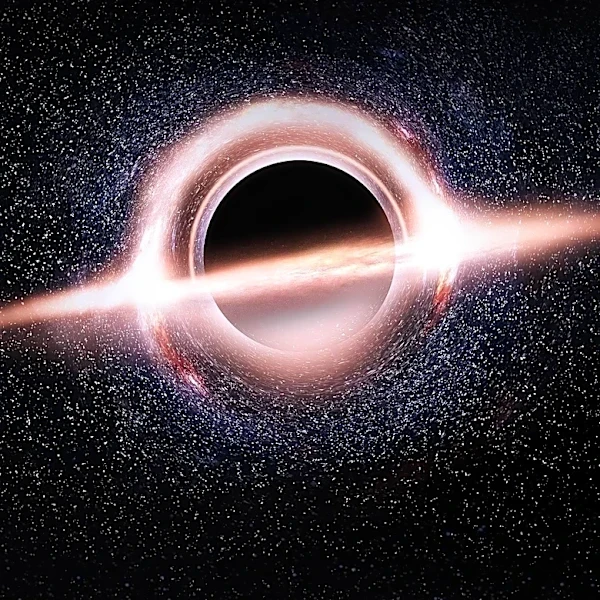
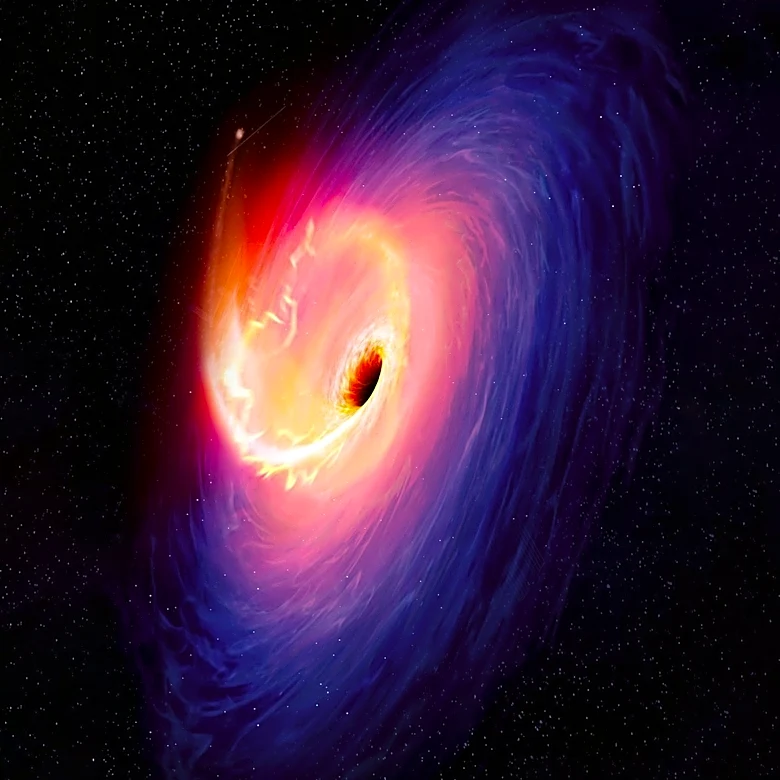
Scientists at the Large Hadron Collider (LHC), the world's most powerful particle accelerator, are continuing their search for short-lived quantum black holes. These theoretical black holes, smaller than atoms and with extremely brief lifespans, could provide crucial insights into the structure of spacetime and help develop a unified theory of quantum gravity. This theory aims to reconcile general relativity, which describes gravity on large scales, with quantum physics, which governs the universe at subatomic levels. Despite extensive searches, no direct evidence of these quantum black holes has been found yet. However, these 'null results' are not considered failures; instead, they help redefine search parameters and refine methods for discovering new particles beyond the Standard Model of particle physics.