Military Procurement Faces Obsolescence Trap as Warfare Technology Evolves Rapidly
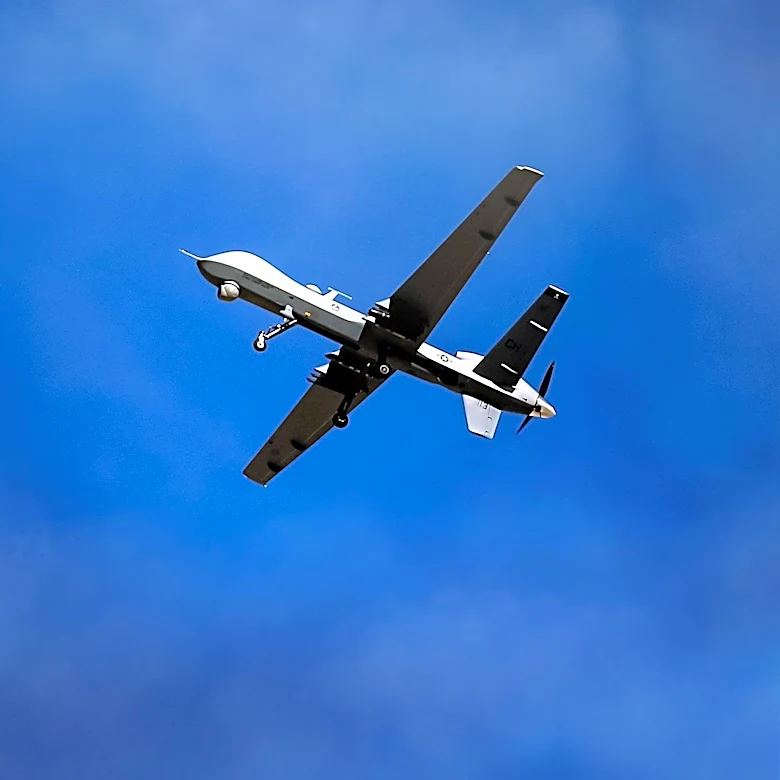
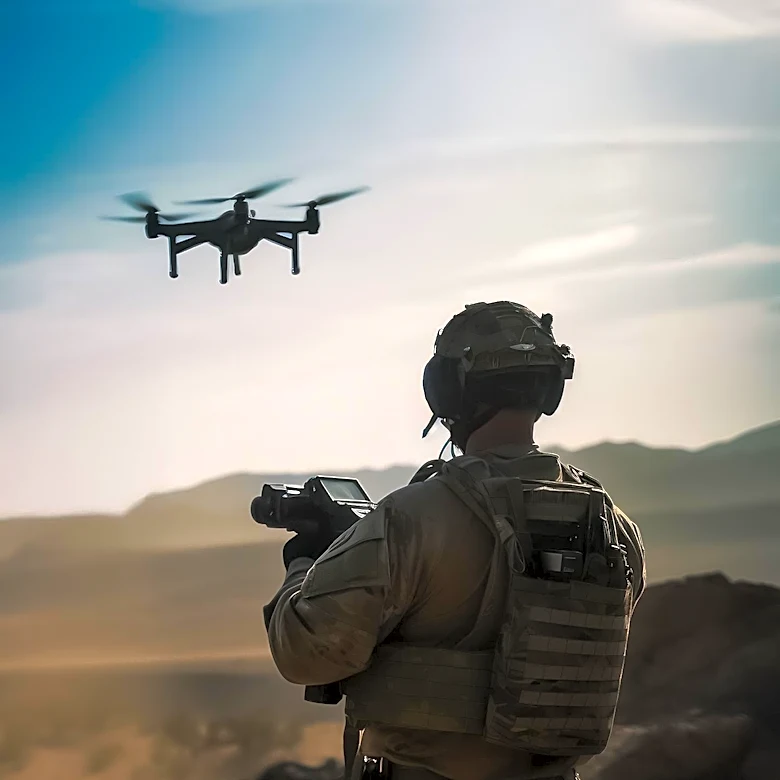
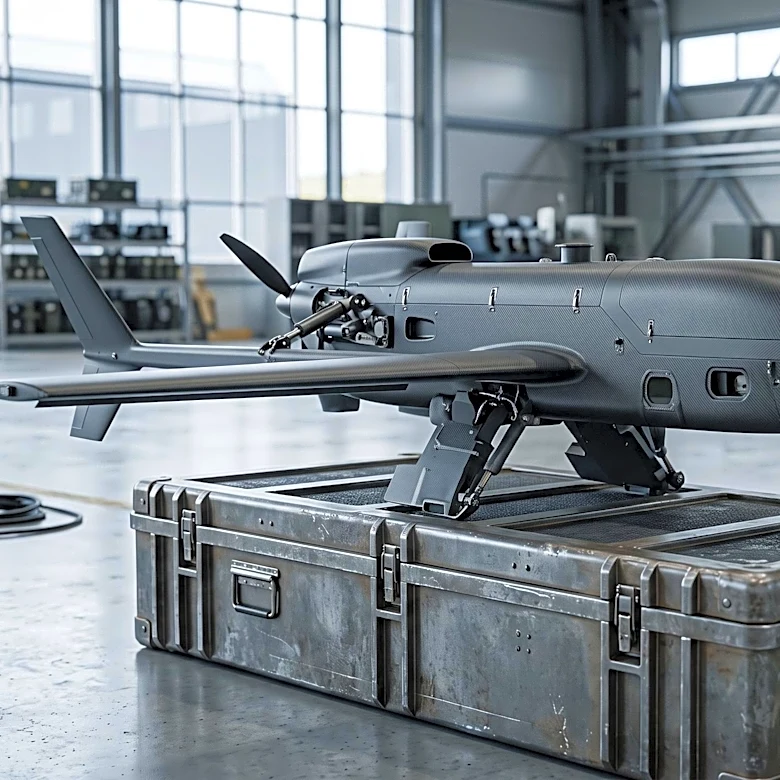
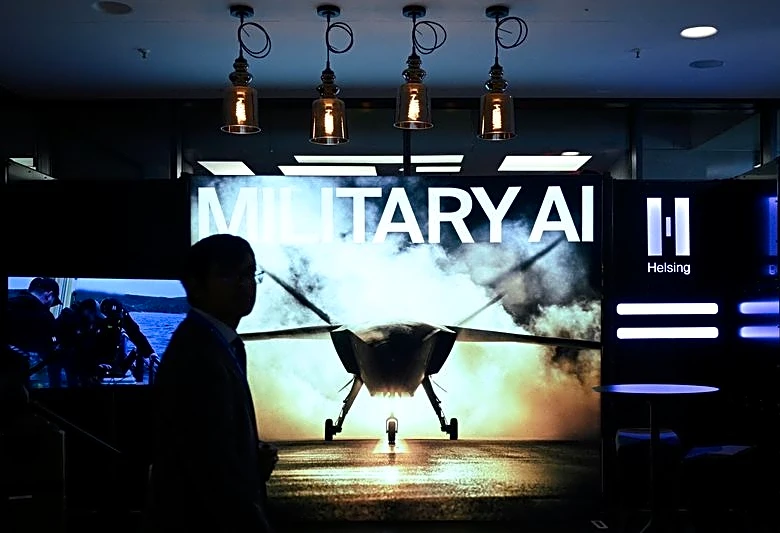
Modern warfare technology is evolving at an unprecedented pace, creating an 'obsolescence trap' for military procurement. Traditional acquisition models, which involve lengthy development cycles, struggle to keep up with the rapid advancements in offensive and defensive systems. For instance, the Bayraktar TB2 drone, once a formidable weapon for Ukraine, became largely outdated by mid-2023 due to Russia's improved air defenses and the proliferation of smaller, cheaper FPV drones. Its manufacturer, Baykar, has since reconfigured it into a 'drone mother ship' capable of carrying 16 one-way UAVs and serving as a communications relay. The Pentagon's current programs average over 12 years from start to delivery, a timeframe deemed an 'eternity' in today's fast-changing combat environment. This challenge is leading to a push for modular, adaptable platforms and 'capability-centric, software-first procurement' with open architectures and standardized interfaces.