Shrimp: A Diverse Marine Decapod with Unique Biological Features and Culinary Versatility
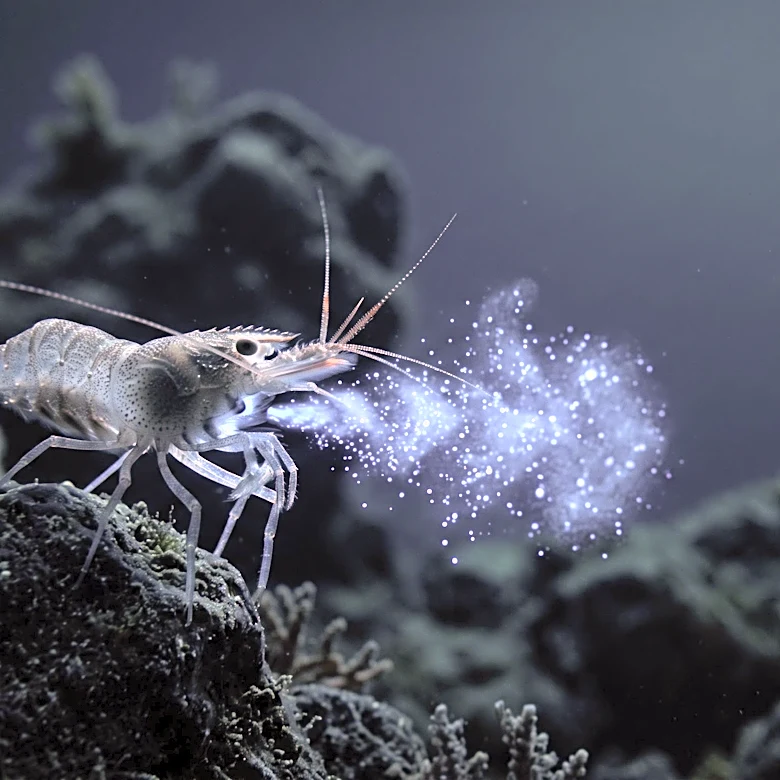
Shrimp are decapod crustaceans, characterized by having ten legs, with approximately 2,000 to 3,000 known species globally. These marine creatures exhibit a wide range of sizes, from the tiny idiomysis shrimp, measuring 3-5 millimeters, to the large tiger shrimp, which can reach 12 inches in length and weigh up to a pound. Many shrimp species possess remarkable biological adaptations, such as bioluminescence, a chemical process that allows about 150 species to produce light, particularly in deep-sea environments. An example is the fire-breathing shrimp, which expels a luciferin-containing chemical that reacts with oxygen to create a defensive flash of blue light. Another notable species is the pistol shrimp, known for its ability to create a superheated cavitation bubble with its specialized claw, generating extreme heat, light, and one of the loudest sounds in the animal kingdom. Shrimp also form symbiotic relationships, such as cleaner shrimp removing parasites from fish, and pistol shrimp cooperating wi...