520-Million-Year-Old Fossilized Larva Discovered with Intact Brain and Nervous System
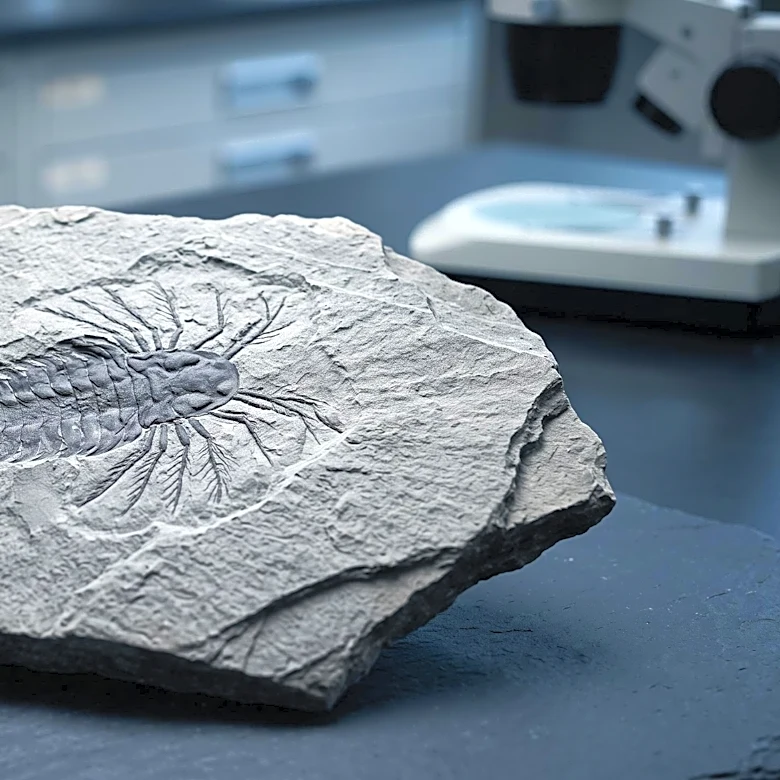
Paleontologists have unearthed a 520-million-year-old fossilized larva from the Cambrian period, remarkably preserving its internal organs, including a brain and digestive tract. This discovery challenges previous assumptions about the fossilization of soft-bodied organisms, as such delicate tissues typically decompose before mineralization can occur. Lead researcher Martin Smith expressed surprise at the level of detail maintained over half a billion years. The specimen, an ancient ancestor of arthropods like insects, crabs, and lobsters, offers a rare glimpse into the early organization of life during the Cambrian Explosion. Advanced imaging technology, specifically synchrotron X-ray tomography, was used to create 3D reconstructions of the larva, revealing a preserved brain, digestive glands, a primitive circulatory system, and nerve fibers connected to its limbs and eyes. Co-author Katherine Dobson highlighted the almost perfect preservation achieved through natural fossilization.