Hubble Space Telescope Reveals 'Cat's Tail' Dust Trail, Suggesting Collision of Icy Worlds
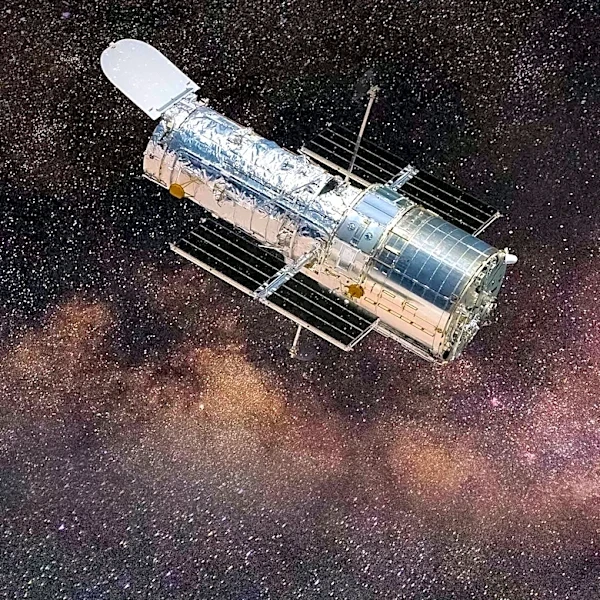
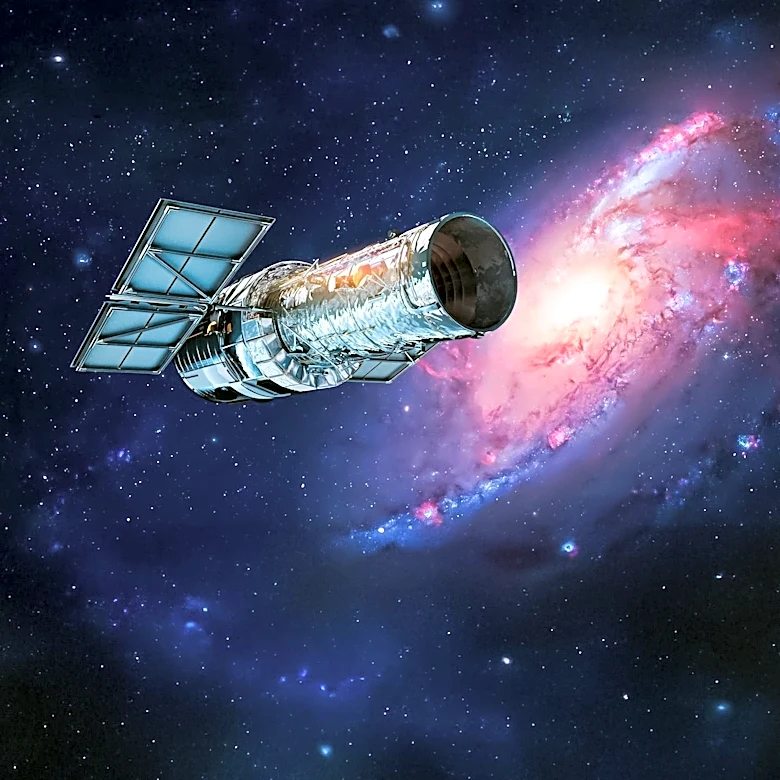
The Hubble Space Telescope has captured the first visible-light view of a faint dust streak, dubbed the 'Cat's Tail,' near the young star Beta Pictoris. This streak, previously only detected in infrared by the James Webb Space Telescope, is believed to be the aftermath of a collision between two large icy worlds, each roughly the size of Pluto's moon Charon or Makemake. The 'Cat's Tail' is composed almost entirely of dark, carbon-rich organic refractory material, which absorbs visible light, explaining its elusiveness to visible-light observations until now. Arin Avsar, a doctoral student at the Lunar and Planetary Laboratory of the University of Arizona, led the new study, which involved stacking Hubble images taken between 2012 and 2025 to achieve the deepest view of the system to date. The faintness of the tail in visible light, compared to its infrared brightness, suggests its unique composition and porous dust grains.