Christopher Columbus's Voyages Initiated Profound Global Transformations, Not Discovery of Empty Land
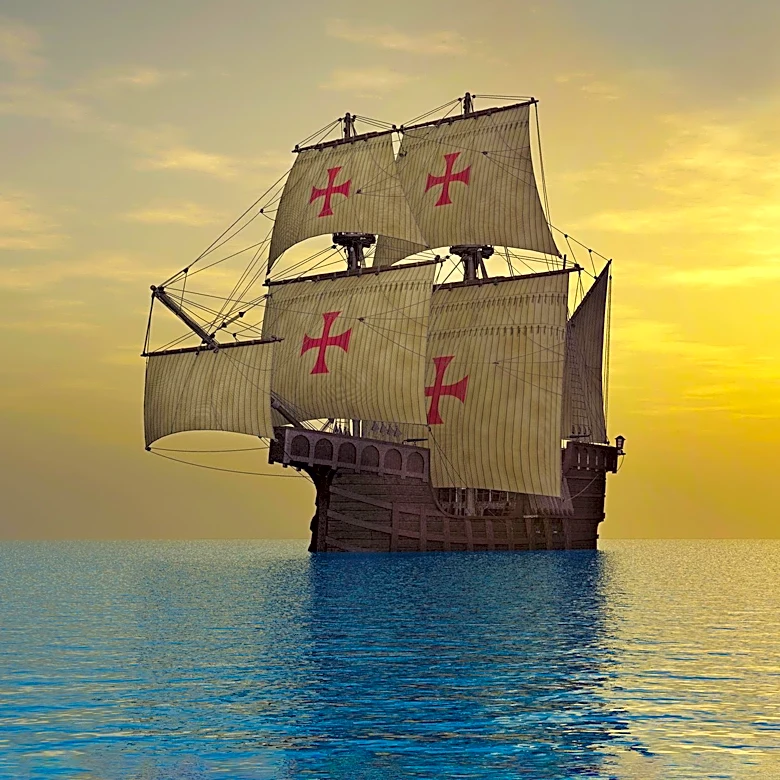
Christopher Columbus's voyages, beginning in 1492, are widely understood to have initiated sustained European contact with diverse civilizations in the Caribbean, rather than discovering an empty land. His arrival set in motion the Columbian Exchange, a widespread transfer of plants, animals, culture, human populations, technology, diseases, and ideas between the Americas, West Africa, and the Old World. Before Columbus, the Americas were home to millions of people with advanced civilizations, intricate trade networks, and rich cultural traditions, including the Taíno people in the Caribbean and the Maya, Aztec, and Inca empires in Central and South America. Columbus's own journals reveal his perception of the inhabitants as potential subjects and laborers, and his observations were filtered through a lens of European superiority and mercantile ambition. While his voyages introduced new crops and animals to both hemispheres, they also led to devastating consequences, including the introduction of Old World...