Forest Fragmentation Linked to Warmer Canopy Surfaces Globally, Study Finds
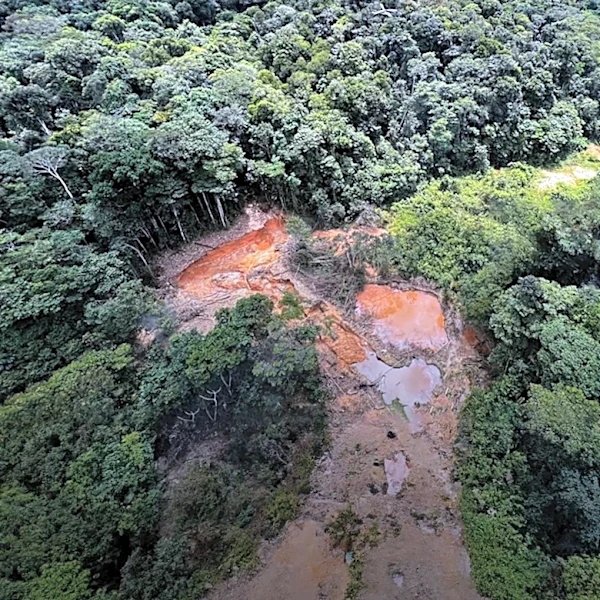
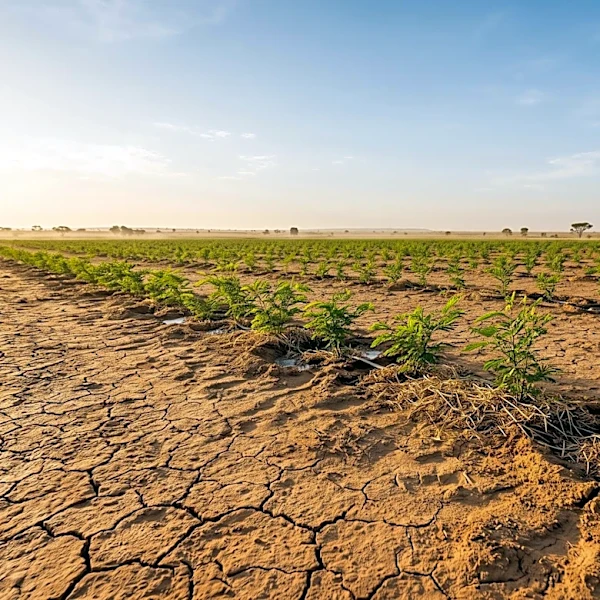
A new global study has revealed that forest fragmentation, the process of breaking up continuous tree cover into scattered patches, is linked to warmer canopy surfaces in approximately two-thirds of the world's forests. The research, conducted by Jiawei Li, Jiaxin Wu, and Jun Ma at Fudan University in Shanghai, analyzed satellite data and found that even with the same amount of tree cover, a more broken-up forest exhibited higher treetop temperatures. This phenomenon, known as fragmentation, occurs when roads, farm fields, or clearings divide forests, creating more edges and reducing the deep interior. The study indicated that in about half of the forests examined, the degree of fragmentation had a greater impact on canopy surface temperature than the total amount of forest remaining. Fragmentation caused by farming, particularly large-scale clearing for market goods, was associated with the most significant increases in surface temperature, as it exposes more canopy edge to direct sunlight.