Research Highlights Epigenetic Role in Liver Disease Development
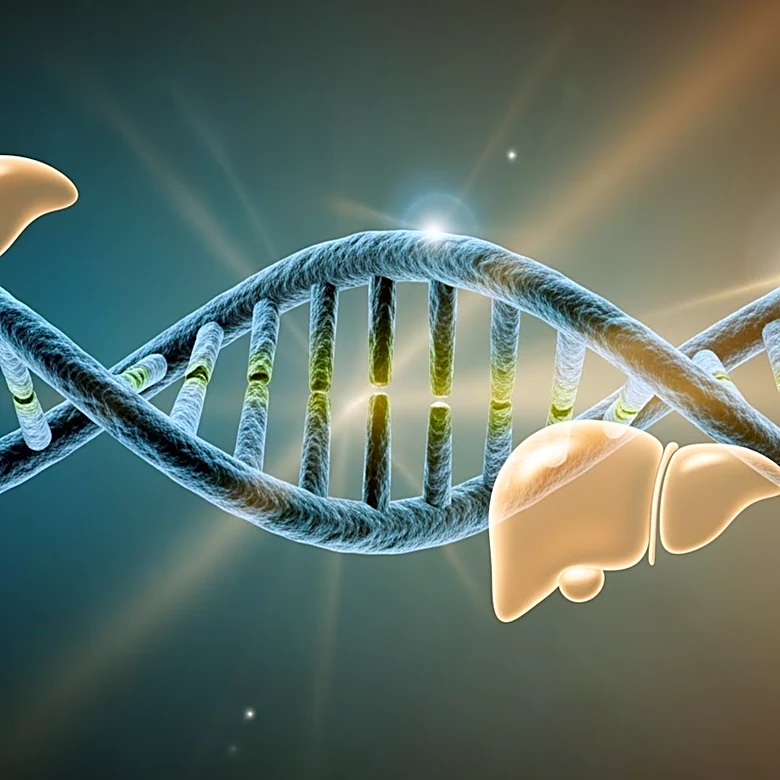
Recent research has shed light on the role of epigenetic modifications in the development of metabolic dysfunction-associated steatotic liver disease (MASLD). The study focuses on how changes in DNA methylation, histone modification, and non-coding RNAs within hepatocytes contribute to the disease's progression. Hepatocytes, the primary functional units of the liver, undergo epigenetic changes that affect gene expression related to lipid metabolism, inflammation, and oxidative stress. These modifications are influenced by environmental factors such as diet and lifestyle, which can turn genes on or off, thereby promoting MASLD. The research highlights the potential of targeting these epigenetic changes for diagnostic and therapeutic purposes, emphasizing the need for further exploration of these mechanisms.