Physicians Advise Public on West Nile Virus Prevention and Symptom Recognition Amid Peak Season
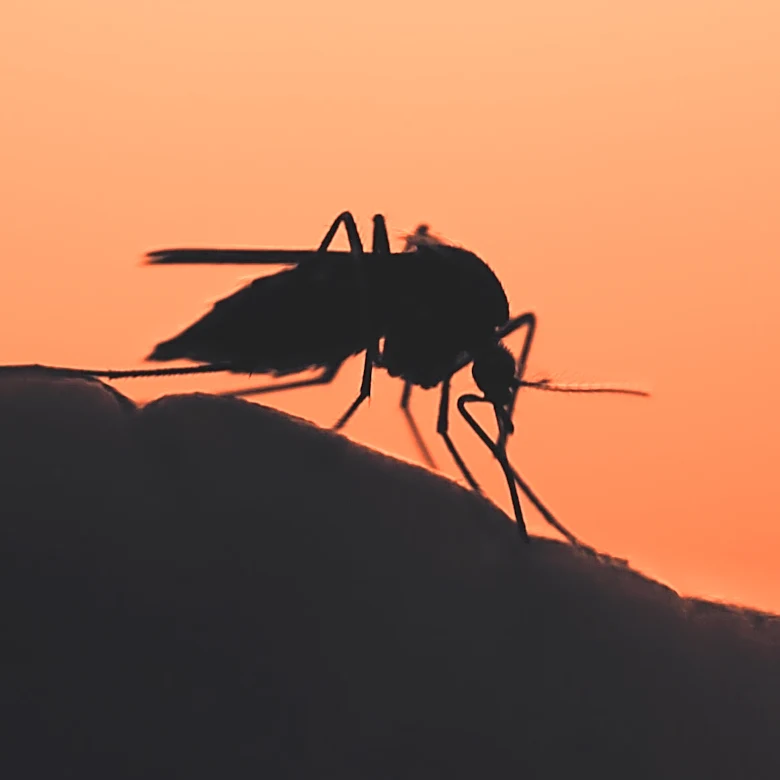
Physicians are urging the public to take precautions against West Nile virus, a mosquito-borne disease that typically peaks in the U.S. during summer and fall, particularly in August and September. The virus is spread through the bite of infected mosquitoes, primarily Culex species, which acquire the virus from birds. While approximately 80% of infected individuals remain asymptomatic, others may experience symptoms such as fever, headache, body aches, fatigue, rash, nausea, or vomiting. A small percentage, about 1%, develop neuroinvasive disease, leading to severe conditions like encephalitis (brain inflammation) or meningitis (inflammation of the tissues surrounding the brain), which can result in lasting health problems or even death. Dr. Erica Kaufman West, an infectious diseases physician, and Dr. Chad C. Braden, a family physician, emphasize that there is no vaccine or specific medication to prevent or cure West Nile virus in humans. Therefore, prevention through avoiding mosquito bites is crucial.