Research Reveals Misinformation Spreads Further Than Ash During Volcanic Eruptions, Impacting Public Perception
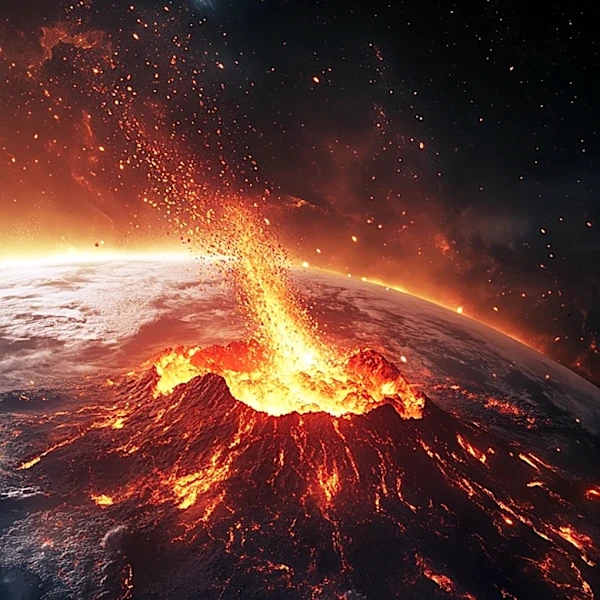
New research, drawing on the experiences of science communicators and an analysis of hundreds of international media articles from 2017 to 2022, indicates that misinformation about volcanoes can spread more widely than volcanic ash during eruptions. The study, published by The Conversation, identified 18 common misconceptions, ranging from seismology and volcanic hazards to climate and eruption timescales. These misconceptions often involve attention-grabbing terms like the Pacific Ring of Fire or supervolcanoes, and can also stem from basic misunderstandings, such as describing volcanic ash as 'smoke' when it is composed of rock fragments, crystals, and volcanic glass. The research highlights how false claims and misleading images, amplified by rolling news coverage and social media, can distort public perceptions of hazards and risks, influencing how people respond to volcanic events. Examples include old footage being presented as current activity during the 2017 Mt Agung eruption in Bali and exaggerate...