Strait of Hormuz Closure Threatens Global Agriculture with Fertilizer Shortages
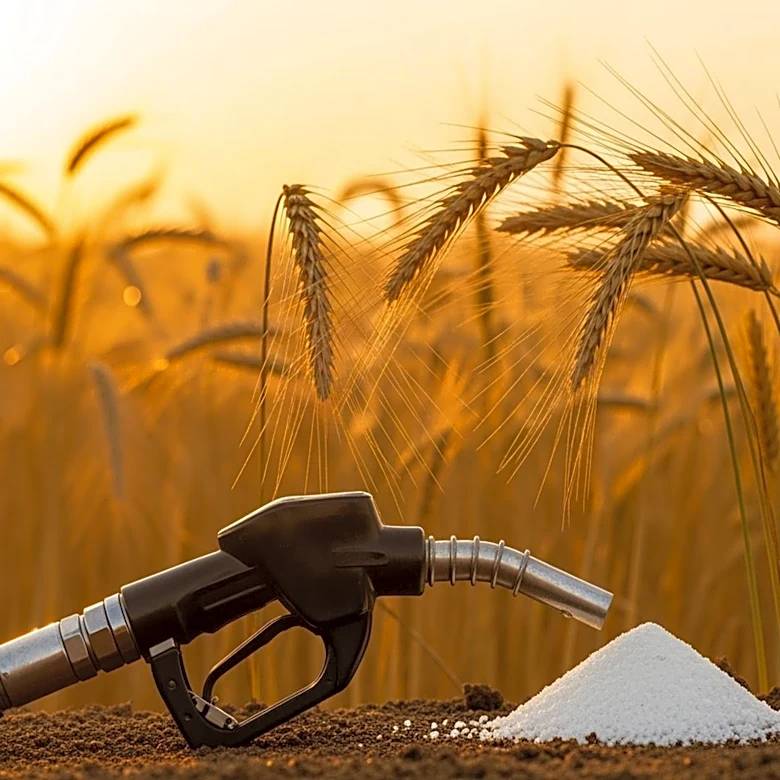
The ongoing closure of the Strait of Hormuz is primarily viewed as an energy crisis, but its impact on agriculture is becoming increasingly concerning. The Strait is a crucial passage for fertilizers and their components, such as urea, ammonia, sulphur, and phosphorus, which are essential for modern agriculture. The disruption in the supply of these materials could lead to significant agricultural setbacks, including lower crop yields and increased food prices. The International Chamber of Commerce's Secretary General, John W.H. Denton, highlights the risk of a systemic agrifood shock if the closure persists beyond 90 days. This could result in a severe food-price crisis within six to twelve months, affecting both developed and developing nations. The situation is exacerbated by rising urea prices and deteriorating fertilizer affordability, which are already impacting farmers in the United States and other import-dependent economies.