New Jersey's Clear-Cutting Approach to Forest Management Sparks Debate Over Ecological Protection vs. Commercial Harvesting
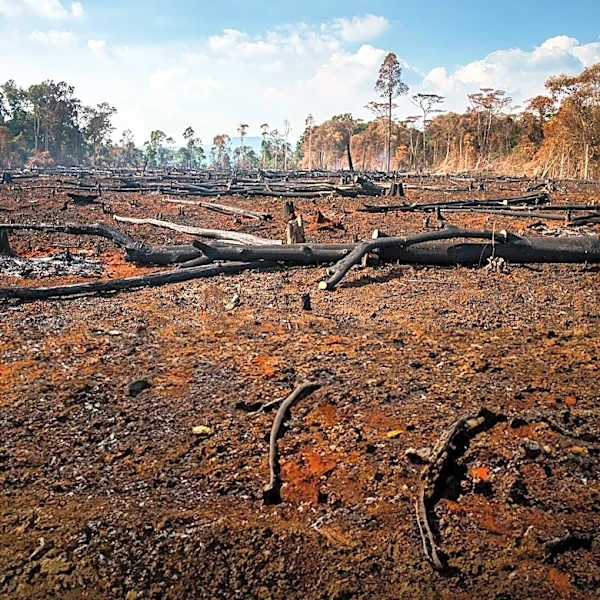
New Jersey is implementing a forest management strategy that involves clear-cutting public forests, including wetlands, as part of a $20 million, 10-year Atlantic White Cedar Restoration Project. The state aims to restore approximately 10,000 acres of these disappearing cedar forests, which are threatened by sea-level rise, saltwater intrusion, altered hydrology, deer browsing, and historical logging. However, critics argue that this approach, which includes mechanical removal of competing vegetation, herbicide applications, and heavy machinery, resembles industrial logging rather than ecological restoration. Concerns are being raised about the independence of the state's forestry system, questioning whether it prioritizes ecological protection or commercial harvesting, especially given that the professional culture is heavily built around forestry management and timber products. Environmental advocates, including the New Jersey Sierra Club, are calling for an independent review by ecologists and wildlife ...