Indigenous Farming Offers Solutions as Modern Agriculture Faces Climate Change Challenges
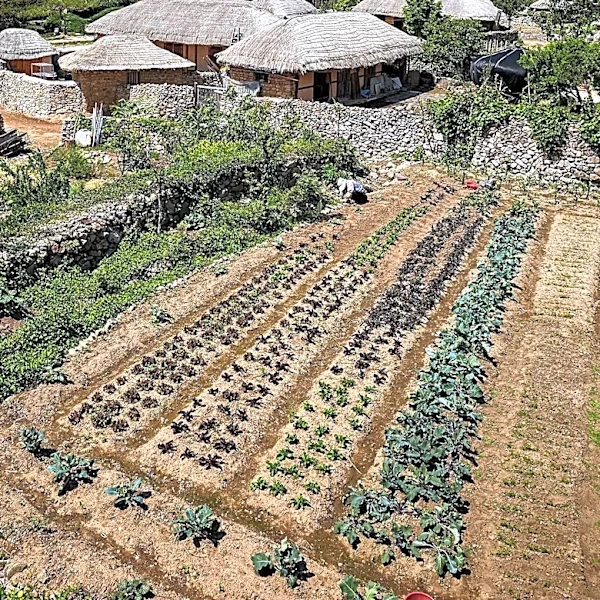
Indigenous agriculture is gaining attention as a viable alternative to modern farming systems, particularly in the face of climate change. Research highlights traditional farming practices, such as growing maize, beans, and squash together, which protect soil health and reduce biodiversity loss. Kamaljit Sangha, a researcher in ecological economics, explores the potential scalability and sustainability of these practices in a study published in Frontiers in Sustainable Food Systems. The study emphasizes the non-monetary values of Indigenous farming systems, advocating for policy support to enhance their role in addressing climate change impacts. Despite the benefits, there is a lack of empirical evidence on the productivity and scalability of Indigenous farming compared to mainstream agriculture.