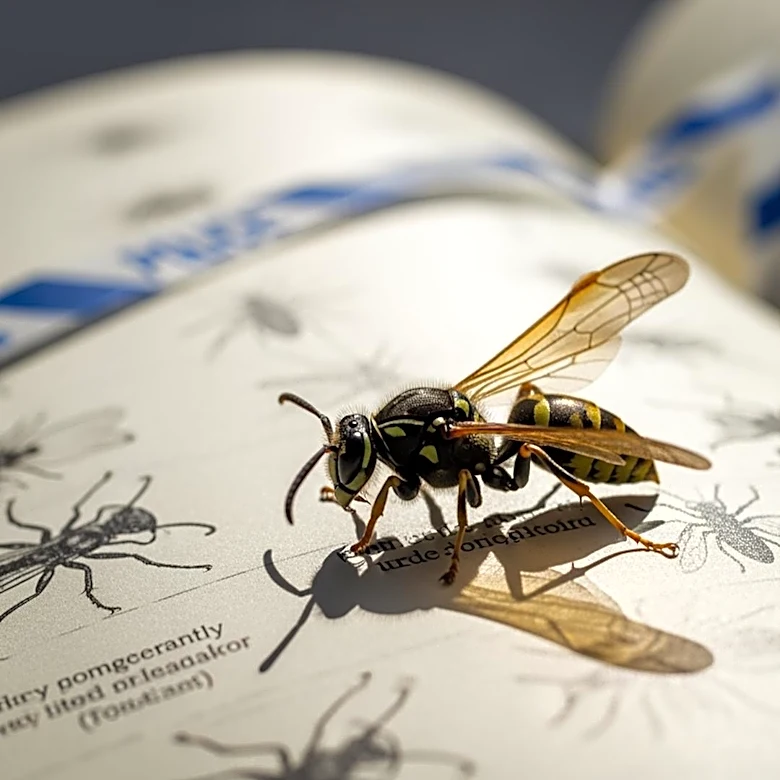
University of California, Riverside Develops New Chemical to Combat Termites Without Harming Humans
Researchers at the University of California, Riverside have developed a new chemical, bistrifluron, that effectively targets drywood termite colonies by interfering with their molting process. This chemical blocks the formation of new termite exoskeletons, leading to a 95% mortality rate in laboratory tests without posing toxicity risks to mammals. The study, published in the Journal of Economic Entomology, highlights bistrifluron's potential as a safer alternative to traditional termite control methods, which often involve toxic fumigation processes. The chemical works by preventing termites from producing chitin, a crucial component of their exoskeleton, thereby disrupting their growth cycle. The research also indicates that bistrifluron can spread throughout a termite colony, as termites share food and essential gut microbes, leading to widespread colony collapse over approximately two months.