AI's Role in Addressing the U.S. Medical Diagnosis Crisis: Challenges and Limitations
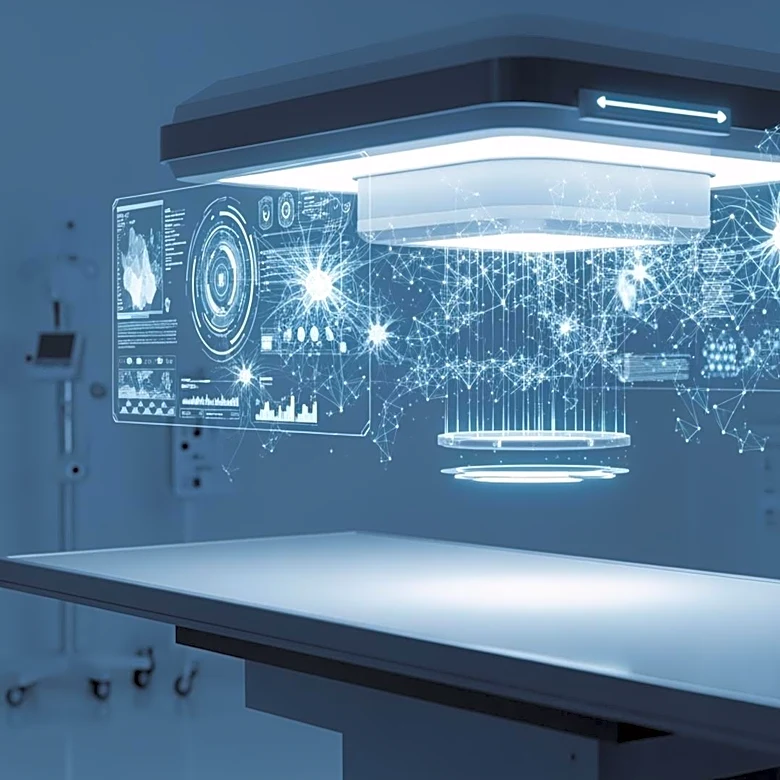
The U.S. healthcare system is grappling with a significant diagnosis crisis, as highlighted in Alexandra Sifferlin's book, 'The Elusive Body: Patients, Doctors, and the Diagnosis Crisis.' The book reveals that diagnostic errors, both incorrect and delayed, affect approximately 5% of Americans annually, leading to severe consequences for over 750,000 individuals each year. Despite advancements in medical technology, the system's reliance on metrics and testing has overshadowed the importance of patient-doctor interactions. The advent of artificial intelligence (AI) in healthcare is seen as a potential solution to this crisis. However, the book argues that AI alone cannot resolve the issue without a fundamental rethinking of how medicine engages with patients. AI's ability to process information and identify patterns is promising, but it also risks replicating existing biases within the medical system.