How Mesas Became Icons of American History, Culture and the Southwest
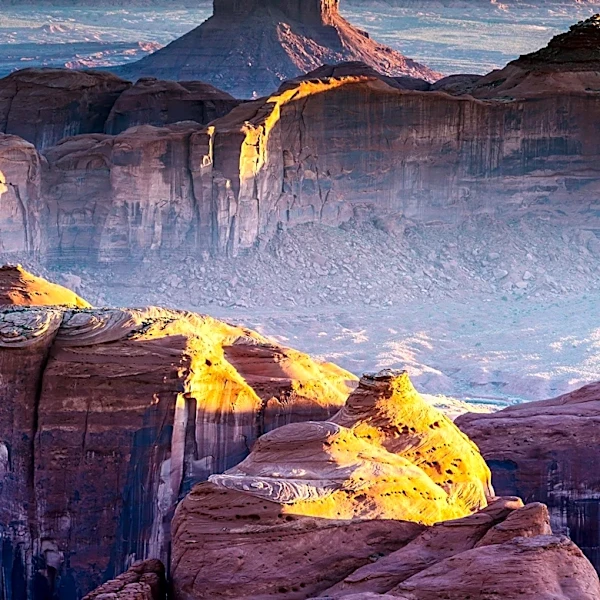
Mesas, flat-topped mountains or hills formed by millions of years of erosion, have been identified as a significant American icon. Spanish explorers originally named them 'mesas,' meaning tables. For Native Americans, these geological formations served as natural fortifications, offering vantage points and protection from external threats. They hold deep spiritual connections and are considered sacred landmarks. Old Oraibi, a Hopi village in Northern Arizona situated on a mesa, is recognized as the oldest continuously inhabited community in the United States, with its origins dating back to 1150. Mesas frequently appear in American films and television, notably in Monument Valley, Arizona, which has been featured in Westerns by director John Ford and in Stanley Kubrick's '2001: A Space Odyssey.' Historically, the Los Alamos mesa in New Mexico was chosen by Robert J. Oppenheimer as the secret site for the development of the atomic bomb, and nuclear research continues there today. Acoma Pueblo, or Sky City, ...