NASA Reports Scarce Snowpack in Upper Colorado Basin, Raising Concerns for Water Resources
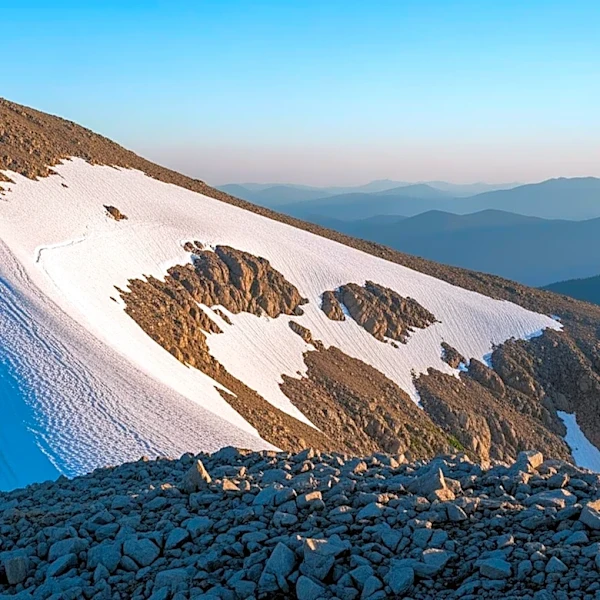
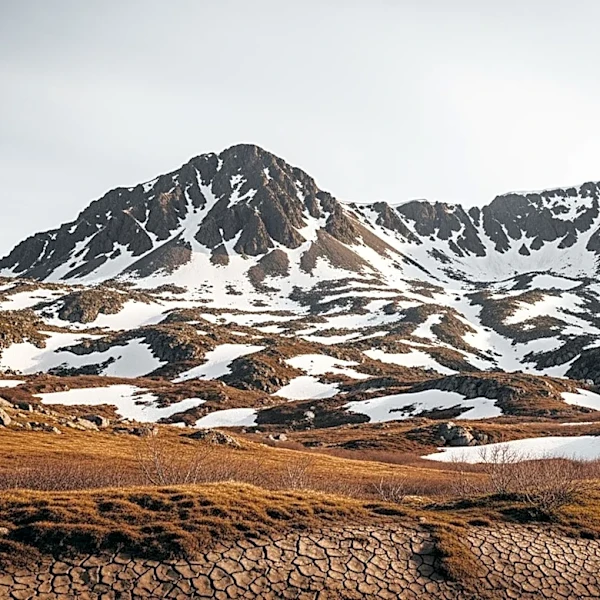
NASA has reported a significant snow drought in the Upper Colorado Basin as of March 2026, with snowpack levels considerably below the average from 2001 to 2025. This lack of snow is attributed to an intense heatwave in March, which led to the earliest snow water equivalent (SWE) peak in recent history. The snow drought poses risks to hydropower production, agriculture, and ecosystems, as well as increasing the potential for wildfires. The data, collected by NASA's Aqua, Terra, and Landsat satellites, along with ground-based sensors, indicates that the snowpack peaked about four weeks earlier than usual. The situation is exacerbated by consecutive years of drought in the region, affecting areas like the Rio Grande and the Pacific Northwest.