Florida's Lovebug Season Diminished by Severe Drought Conditions
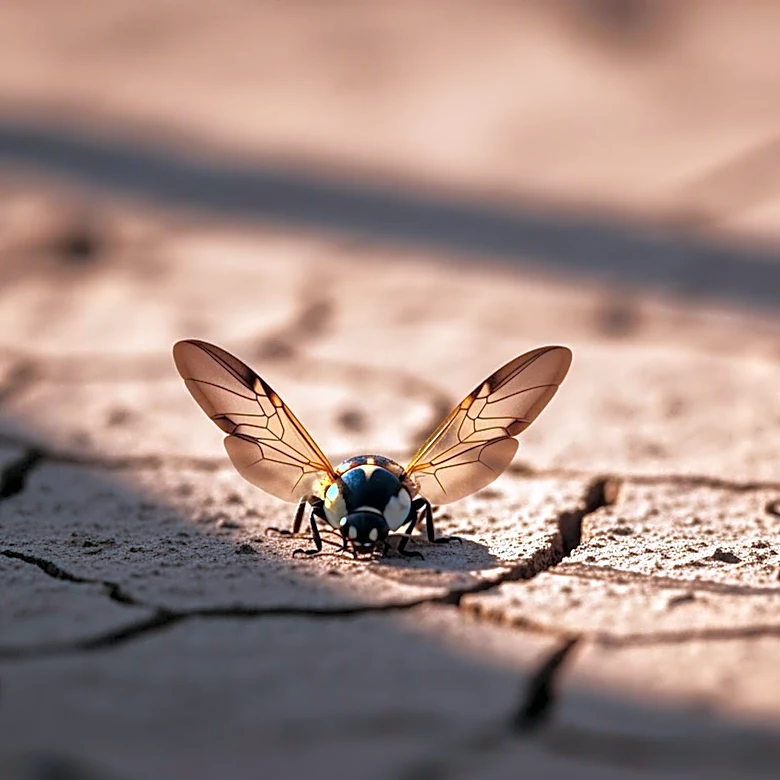
Florida's annual lovebug season is experiencing a significant reduction in insect populations due to the state's most severe drought in over two decades. Typically, lovebugs, scientifically known as Plecia nearctica, emerge in large numbers during late spring and fall. However, this year, sightings have been notably fewer. Experts from the University of Florida attribute this decline to the dry conditions affecting the state. Lovebugs spend most of their lives underground in the larval stage, and their development is highly dependent on environmental factors such as temperature, humidity, and soil moisture. The current drought has slowed the decomposition of organic material, which is crucial for their development, leading to reduced populations. The drought is most extreme along the I-10 and I-75 corridors, with some areas experiencing desert-like conditions. In contrast, southern Florida has seen less severe drought conditions, allowing for more typical insect activity.