Pelvic Floor Dysfunction Affects One in Five U.S. Women, Exercise and Lifestyle Changes Offer Relief
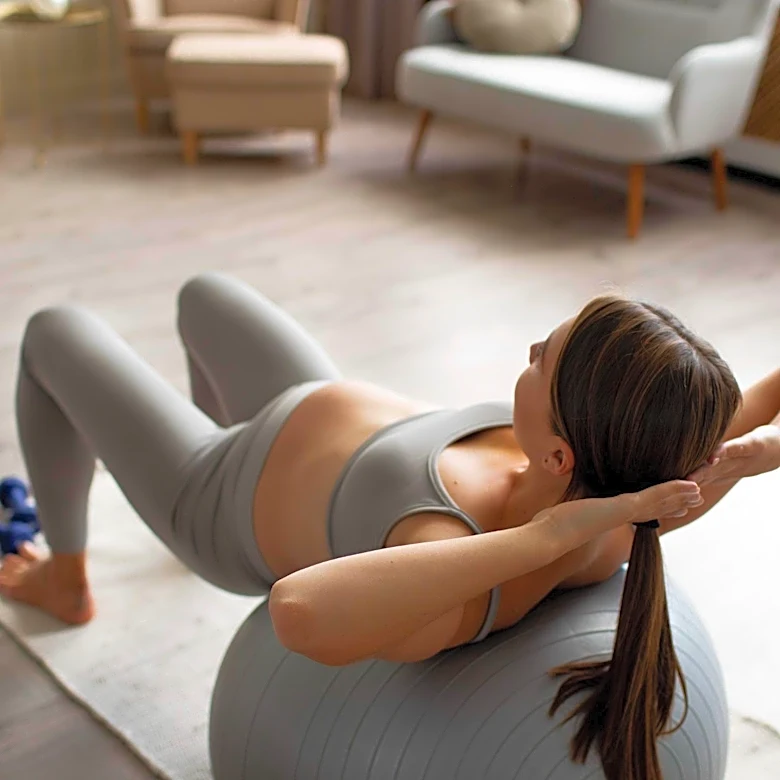
Pelvic organ prolapse, a condition where pelvic organs drop or press into the vaginal wall due to weakened supporting muscles and tissues, affects nearly 3% of women in the United States. According to the Office on Women’s Health, one in five women in the U.S. experience pelvic floor disorders. This condition can manifest as a feeling of heaviness, pressure, or a bulge in the pelvis, along with symptoms like leaking during activities, difficulty emptying the bladder or bowels, and discomfort during intimacy. While vaginal childbirth is a primary risk factor, other contributors include constipation, chronic cough, heavy lifting with poor pressure control, and hormonal changes during menopause. Genetics and connective tissue differences can also play a role. Exercise, particularly pelvic floor muscle training, has been shown to reduce symptoms, improve support, and sometimes improve the grade of prolapse, with the clearest benefits observed within the first six months of consistent training.