Marine Heatwaves Pose Growing Threat to U.S. Coastal Communities
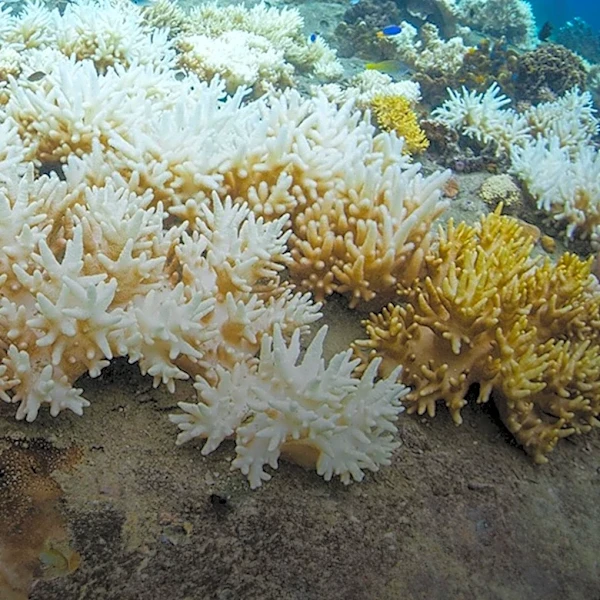
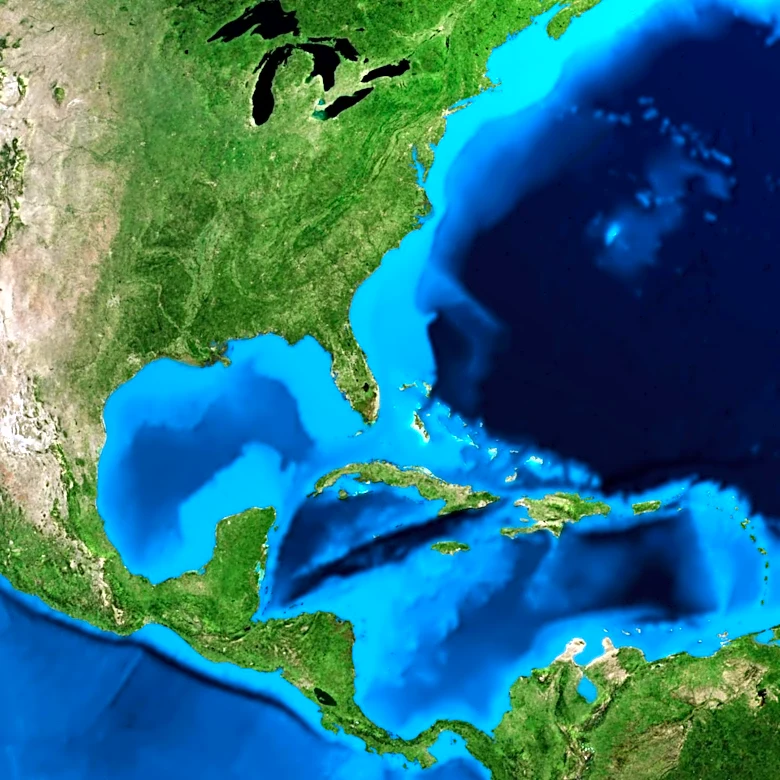
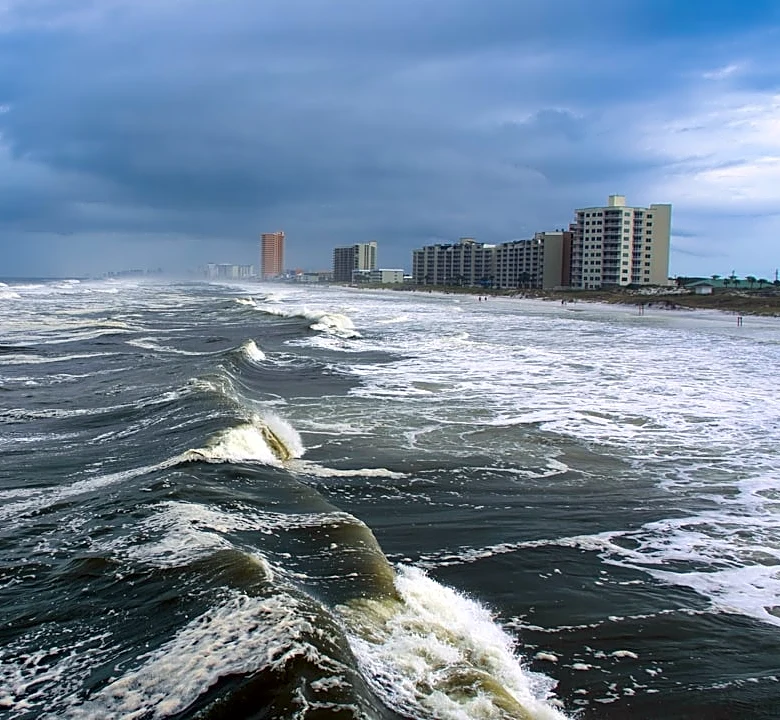
Marine heatwaves, defined as prolonged periods of abnormally high ocean surface temperatures, are becoming more frequent, intense, and longer-lasting in U.S. waters. These events are not only ecological crises but also significant public health threats, as highlighted in a recent study led by Dr. Laura Falkenberg and published in Nature Sustainability. The study emphasizes the connection between overheated seawater and extreme weather events, such as hurricanes, which are fueled by warm ocean waters. For example, Hurricane Ian, which fed on record-warm Gulf waters, caused over $112 billion in damages, claimed more than 150 lives, and displaced thousands of families. Additionally, marine heatwaves are linked to toxic algal blooms, contaminated seafood, and severe mental health impacts on coastal communities. These cascading effects underscore the urgent need for integrated public health and environmental responses.