Historical Agricultural Policies Led to Dominance of Corn and Soybean in Illinois, Raising Sustainability Concerns
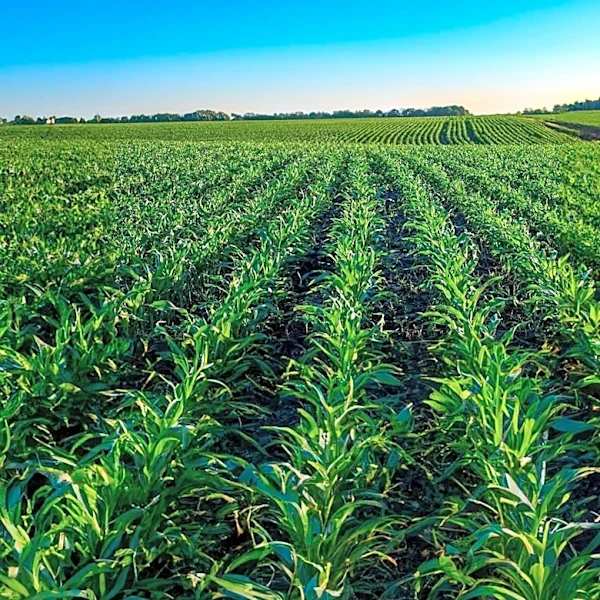
Illinois agriculture has evolved significantly, moving from diversified subsistence farming to a highly specialized system dominated by corn and soybeans. This transformation was driven by several factors, including the invention of John Deere's steel plow in 1837, which enabled large-scale prairie conversion, and the expansion of railroads in the 1850s, facilitating crop transport. Post-World War II modernization introduced chemical fertilizers and pesticides, further increasing efficiency but also leading to a decline in farm diversity. Federal agricultural policies, particularly since the 1980s, have heavily influenced this specialization. Policies like the Agricultural Adjustment Act of 1933 and subsequent farm bills have provided subsidies and crop insurance tailored for commodity crops, encouraging farmers to maximize yields of corn and soybeans. Currently, 22 million of Illinois's 23 million acres of cropland are dedicated to these two crops, primarily for livestock feed and ethanol production.