NASA Supports Robotic Servicing Mission to Extend Satellite Lifespan
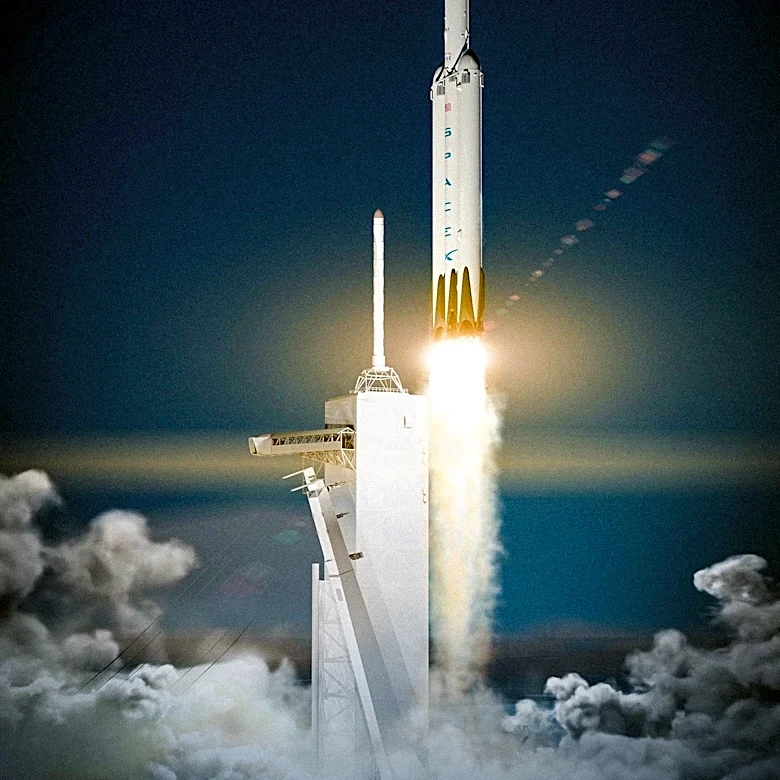
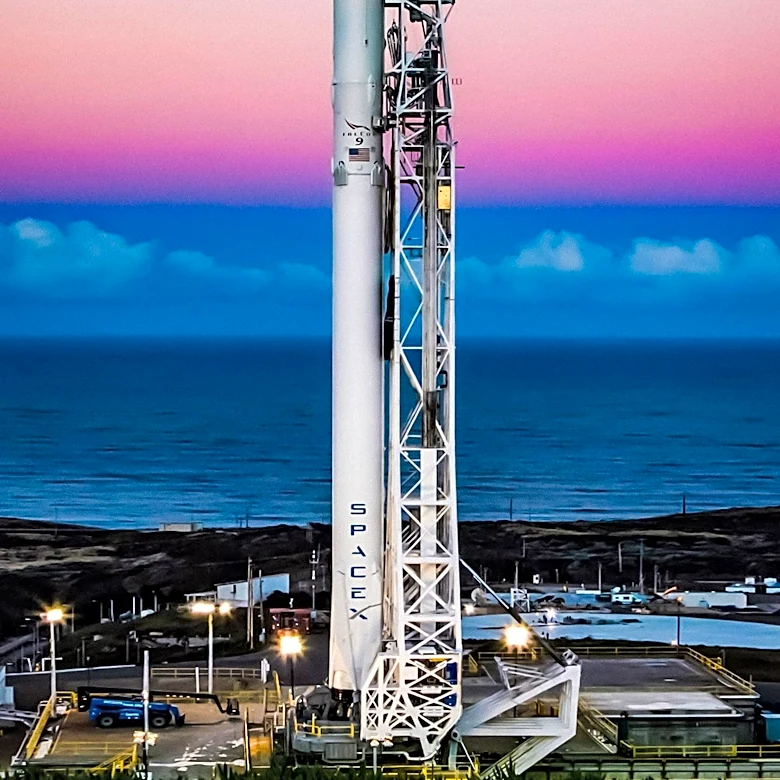
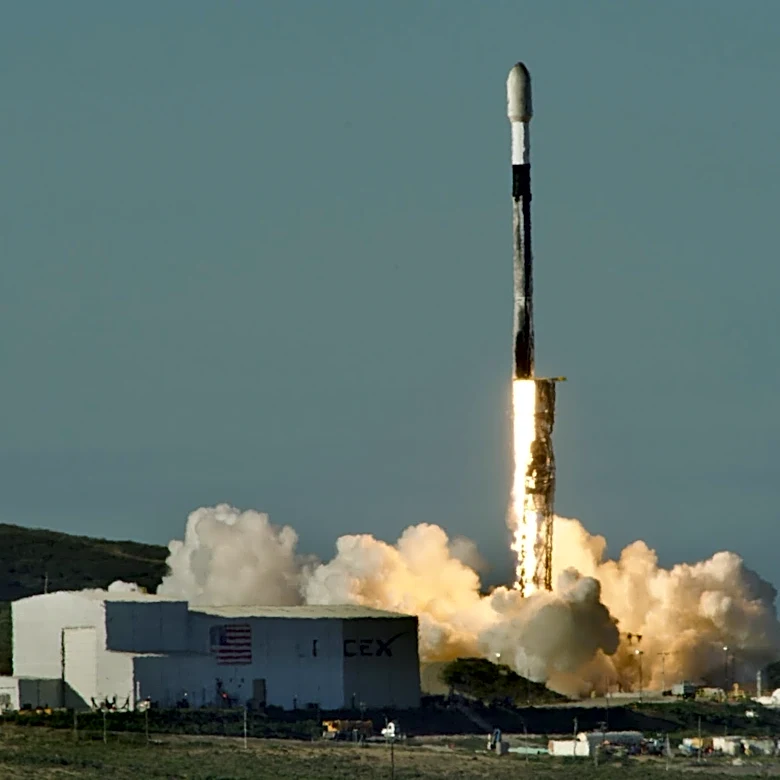
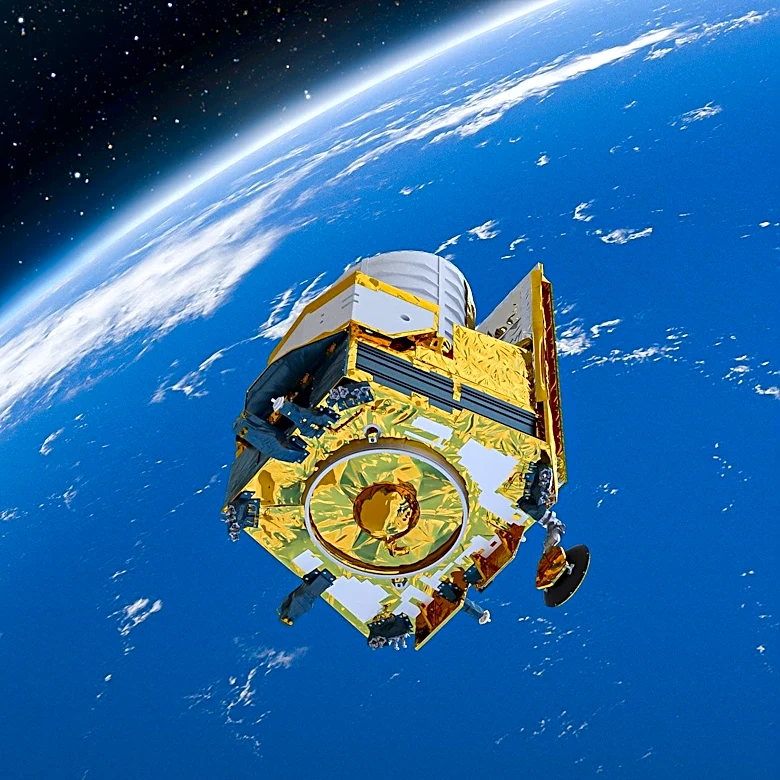
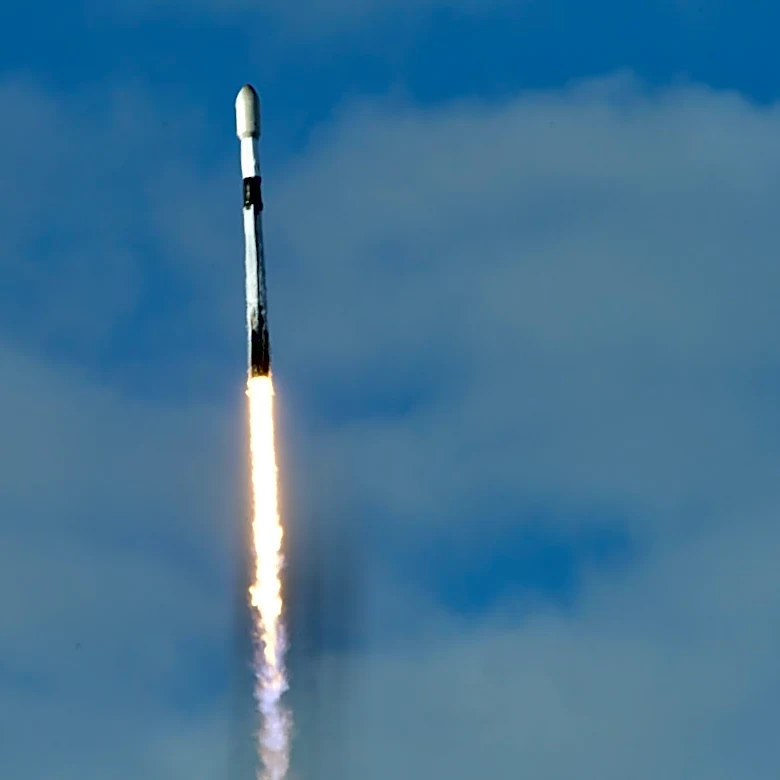
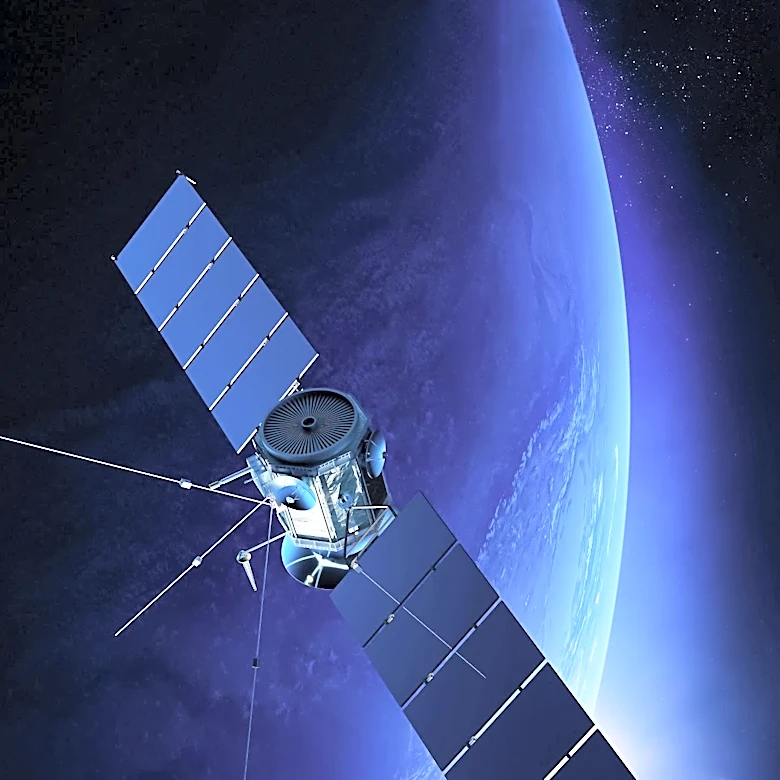
NASA is supporting the Robotic Servicing of Geosynchronous Satellites (RSGS) mission, which launched aboard a SpaceX Falcon 9 rocket from Cape Canaveral on July 21. The mission involves the Mission Robotic Vehicle (MRV) developed by Northrop Grumman, which will use advanced robotics to service spacecraft in geosynchronous Earth orbit. The RSGS program, funded by the Defense Advanced Research Projects Agency (DARPA), utilizes twin robotic arms developed by the U.S. Naval Research Laboratory. These arms will enable the MRV to inspect and upgrade satellites by installing mission extension pods, thereby extending their operational life. NASA's Goddard Space Flight Center has been involved in the mission since 2024, providing dynamic simulation and analysis tools, software analysis, and a team of flight robot operators.