California Faces Electricity Affordability Crisis with Rates Doubling National Average
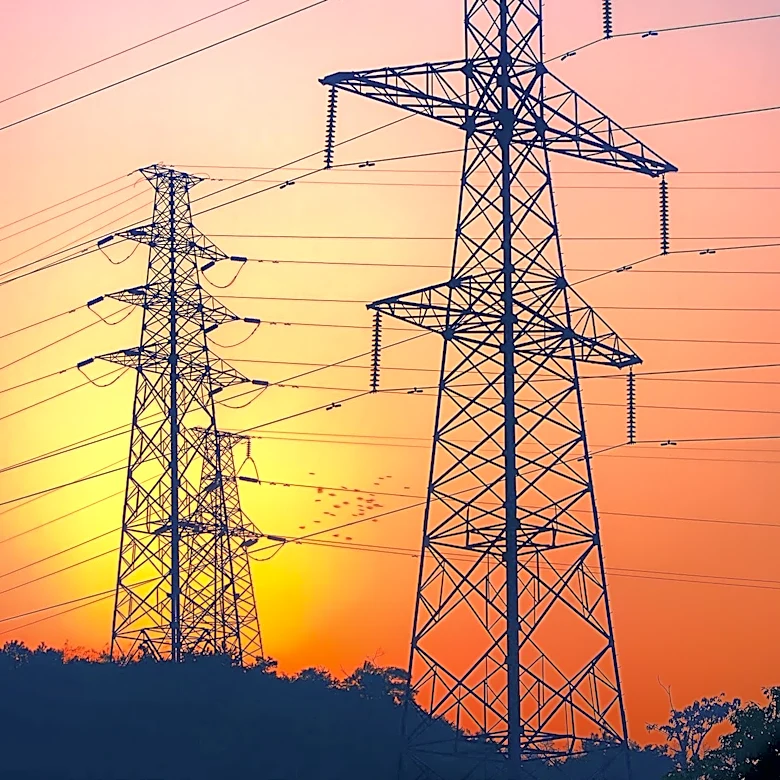
California is experiencing a severe electricity affordability crisis, with its rates now the second-highest in the U.S. and approximately double the national average. This significant increase, over 50% from 2000 to 2024, is primarily driven by a complex interplay of factors affecting investor-owned utilities (IOUs), which serve two-thirds of the state's energy customers. Key drivers include increased distribution costs, higher generation costs (up 40% between 2012-2024), and a tripling of transmission costs since 2003. Regulatory systems that do not incentivize cost reduction, along with the financial burden of wildfire prevention and liability, further exacerbate the situation. Additionally, the grid's idle capacity, built for peak demand but underutilized on average days, contributes to higher rates as customers still pay for the readiness of a larger-than-needed system. Public programs mandated by law, such as energy efficiency initiatives and low-income assistance, are also funded by customers, adding...