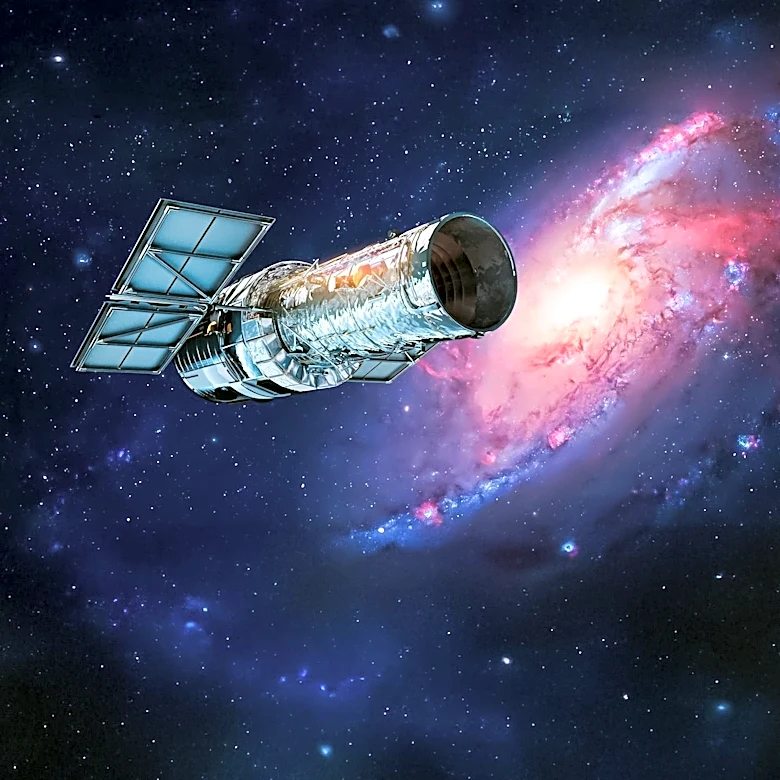
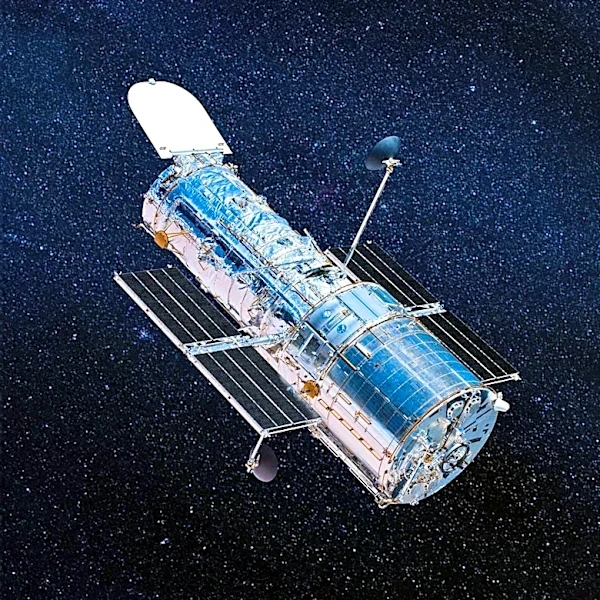
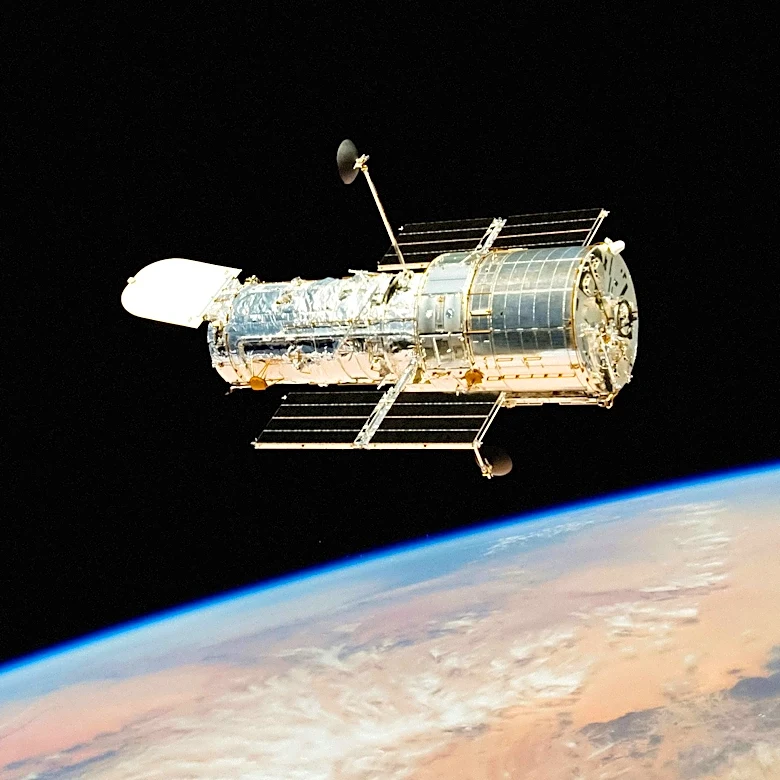
Hubble Telescope Allocation Committee Approves Extensive Research Programs for Astronomical Observation
The Hubble Telescope Allocation Committee (HST TAC) has approved a wide array of research programs for astronomical observation, spanning various cycles, including Cycles 31, 32, 33, and 34. These programs involve numerous principal investigators (PIs) from institutions across the United States and internationally, such as Northwestern University, Massachusetts Institute of Technology, University of California - Santa Cruz, and the Space Telescope Science Institute. The approved projects cover diverse areas of astrophysics, including studies of exoplanets, black holes, supernovae, galaxy evolution, stellar formation, and the composition of celestial bodies. For instance, Cycle 34 includes programs like 'Community Discovery Program: panchromatic CXO/VLA/HST observations of NS mergers' led by Wen-fai Fong, and 'Why is AGN Feedback Behaving Different in Clusters at z~1?' by Michael McDonald. Cycle 33 features 'STELa: Survey of Transiting Exoplanets in Lyman-alpha' by R. O. Loyd, and 'Where is the central blac...