Monash University Researchers Highlight Climate Change's Role in Mosquito-Borne Disease Trends, Urge Coordinated Prevention
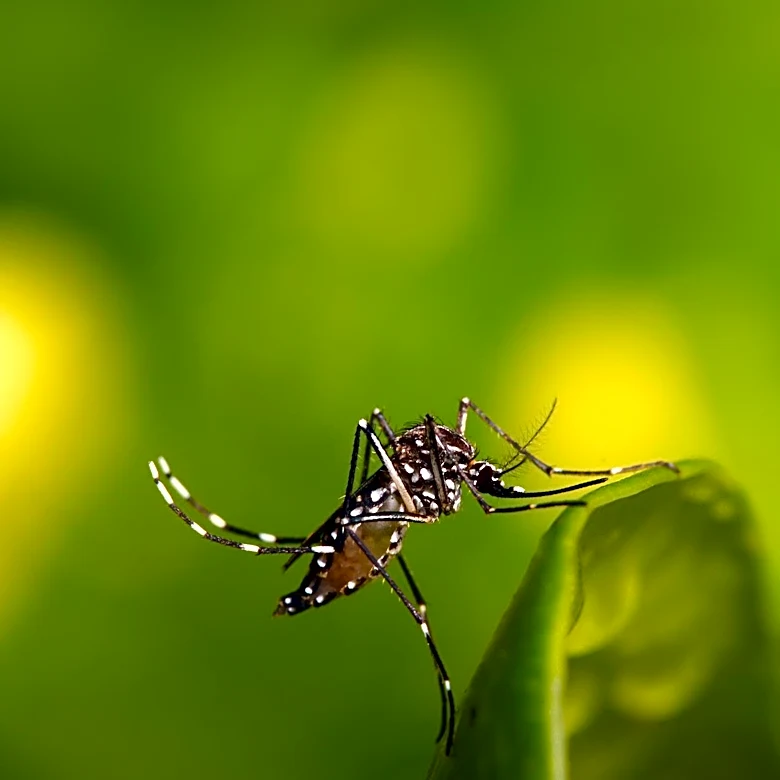
Researchers from Monash University have published a review in Science Advances examining the complex factors influencing the transmission of malaria and dengue, particularly in the context of climate change. The study, led by Dr. Toby Cumming, a research fellow in the Health and Climate Initiative, emphasizes that while climate change expands areas suitable for mosquito populations due to increased temperatures and altered rainfall, it alone cannot fully explain disease trends. The review notes that malaria rates have declined over the last century despite warming, largely due to vector control and drug therapies, while dengue infections have rapidly increased, partly due to urbanization favoring Aedes mosquitoes and a lack of available therapeutics. Globally, there are nearly 300 million cases of malaria and almost 400 million dengue infections annually. The researchers stress the need for a coordinated approach, including vector control, vaccine deployment, and greenhouse gas emission reductions, to comb...