New Research Suggests Zhamanshin Impact Crater in Kazakhstan More Destructive Than Previously Thought
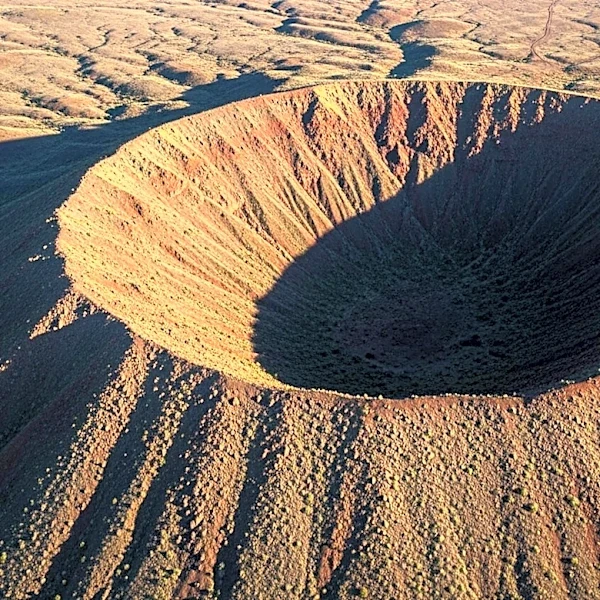
Recent research indicates that the Zhamanshin impact crater in Kazakhstan, previously believed to be less impactful, may be significantly larger and more destructive than earlier estimates suggested. The crater, formed approximately 900,000 years ago, was initially thought to measure about 14 kilometers in diameter. However, new findings propose that it could be as large as 26.5 kilometers, suggesting a much higher impact energy. This research, led by James Garvin from NASA's Goddard Space Flight Center, utilized advanced remote-sensing techniques like LiDAR to detect previously unseen outer rings of the crater. The study, published in the Planetary Science Journal, posits that the impact's energy could have been over 240,000 megatons, potentially causing significant environmental changes during the Pleistocene era.