Mount Sinai Researchers Discover Deep Brain Stimulation Remodels White Matter to Combat Depression
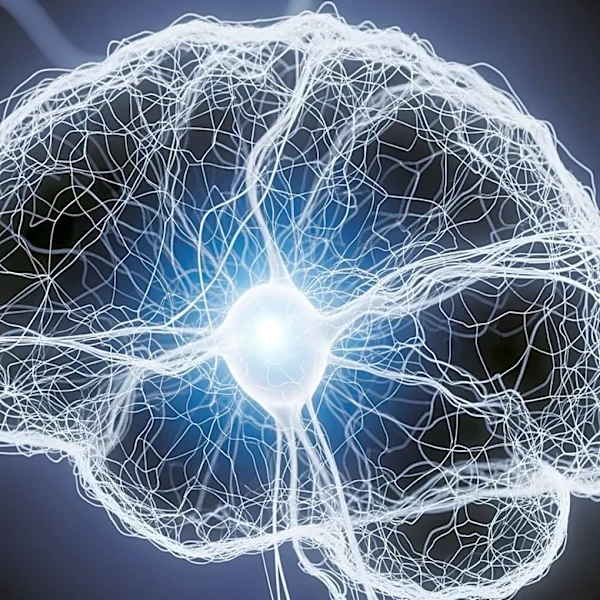
Researchers from the Icahn School of Medicine at Mount Sinai have provided the first direct evidence that deep brain stimulation (DBS) can remodel white matter pathways in the brain, potentially explaining its therapeutic effects on severe depression. The study, published in Nature Neuroscience, reveals that DBS not only alters electrical activity but also drives structural plasticity by increasing cellular myelination, which repairs disrupted mood-regulation circuits. This neurosurgical procedure, approved by the FDA for various disorders, involves a neurostimulator that sends high-frequency impulses to specific brain areas. The research utilized a non-human primate model to isolate the biological effects of DBS, showing increased fractional anisotropy in the cingulum bundle, a major neural pathway involved in mood regulation.