Wearable Sleep Trackers Linked to Increased Heart Event Risk in Adults
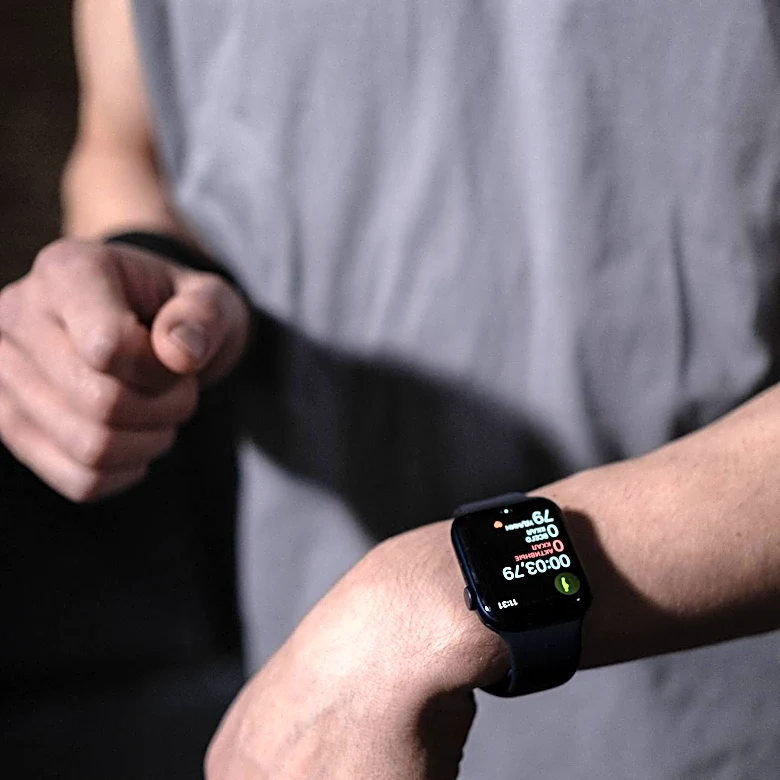
Preliminary research presented by the American Heart Association indicates that adults with irregular sleep timing, as tracked by wearable devices over approximately six months, face a 20% to 23% higher risk of serious heart events. These events include heart attack, stroke, and heart failure. The study analyzed data from 10,362 adults within the National Institutes of Health's All of Us Research Program, encompassing over one million nights of sleep. Participants had an average age of 53, with about 69% being women, and none had pre-existing heart or metabolic diseases. The research, led by Dr. Nguyen Minh Tuan Viet, a neuroscientist at Boston Children's Hospital and Harvard Medical School, examined five dimensions of sleep: quantity, quality, regularity, timing, and cycles. A significant finding was that each 29-minute increase in night-to-night variation in sleep length correlated with a 24% higher risk of combined heart outcomes. Additionally, an unusually long sleep cycle was associated with a 55% hig...