Hydroelectric Power Relies on Water Flow and Turbine Systems for Electricity Generation
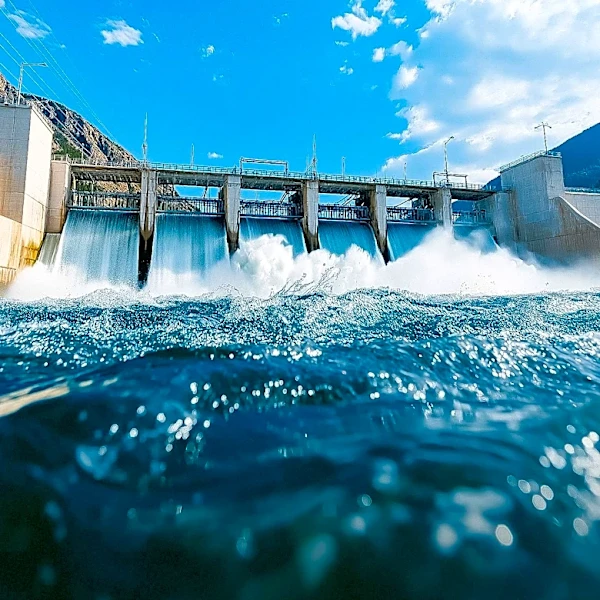
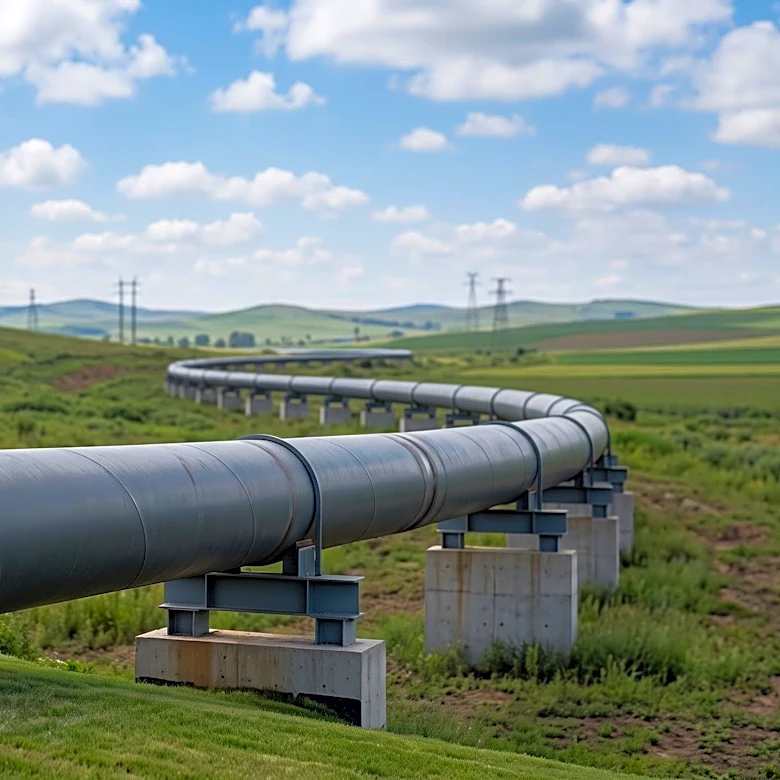
Hydroelectric power (HEP) is a method of generating electricity by harnessing the energy of falling water. The fundamental process involves a dam that holds back river water, creating a reservoir. From this reservoir, water is directed down a large pipe, known as a penstock, where it gains speed due to gravity. This fast-moving water then strikes and spins a turbine. The rotation of the turbine, in turn, drives a generator, which is the component responsible for producing electricity. After passing through the turbine, the water is returned to the river downstream from the dam. For a site to be suitable for HEP development, several conditions must be met, including a large and consistent volume of water, a significant drop in elevation or a narrow gorge suitable for dam construction, and hard, impermeable rock for stable foundations. Additionally, human factors such as a market for the electricity, sufficient capital for construction, and technical expertise are crucial for successful implementation.