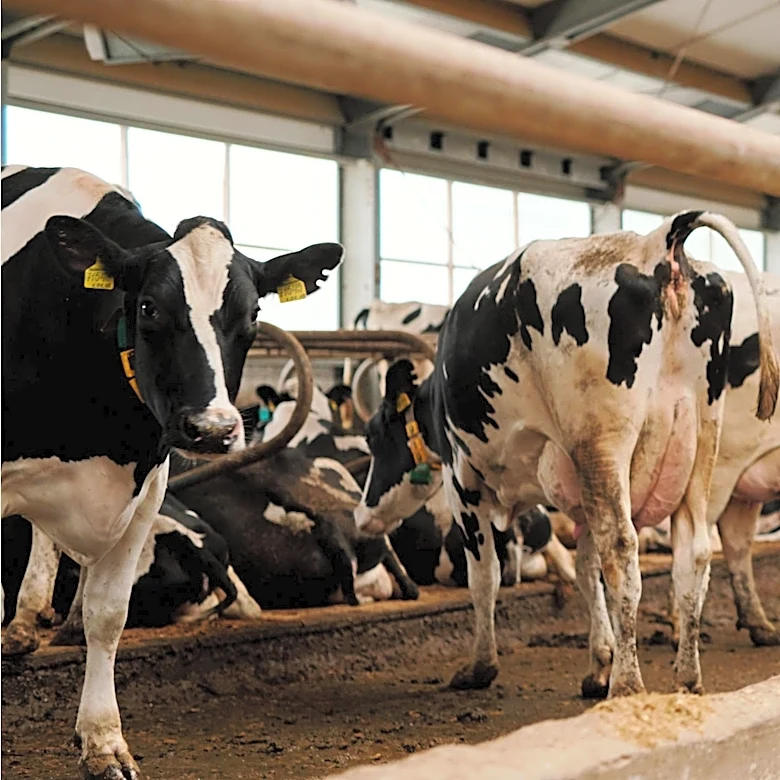
Animal Agriculture Significantly Contributes to Greenhouse Gas Emissions and Environmental Degradation
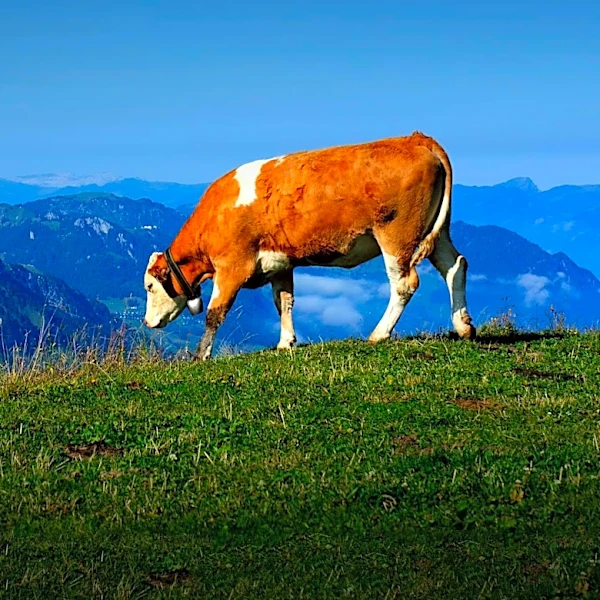
Animal agriculture is a major contributor to greenhouse gas emissions, deforestation, water usage, and pollution, according to recent findings. Livestock, particularly cows and sheep, produce methane during digestion, a potent greenhouse gas that traps significantly more heat than carbon dioxide, accelerating climate change. The demand for land to raise livestock and grow feed crops leads to extensive deforestation. Furthermore, the livestock sector consumes vast amounts of water; for instance, producing just one kilogram of beef requires approximately 15,000 liters of water, compared to about 2,500 liters for one kilogram of soybeans or tofu. Manure from livestock also contains high levels of nitrogen and phosphorus, which contaminate both water and air. These environmental impacts are prompting discussions about the sustainability of current agricultural practices and the potential benefits of reducing animal product consumption.