Employers Face Heightened Privacy Risks and Legal Complexities with Smart Glasses in the Workplace
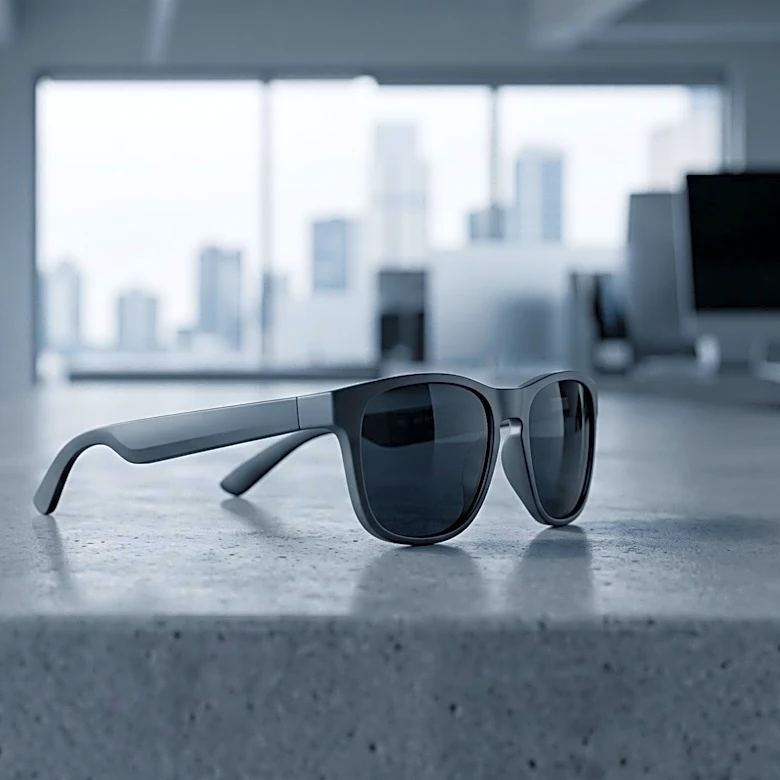
The increasing prevalence of smart glasses in the workplace is creating new privacy challenges for U.S. employers. These devices, which can inconspicuously record audio, video, and transmit data to cloud-based AI platforms, raise concerns about confidential information, trade secrets, and employee/customer privacy. Unlike smartphones, smart glasses often resemble ordinary eyewear, making their recording capabilities less obvious. While there is no comprehensive federal statute specifically regulating smart glasses at work, existing laws such as state wiretapping and eavesdropping statutes, and comprehensive state privacy laws like the California Consumer Privacy Act (CCPA), are implicated. The CCPA, for instance, requires employers to provide privacy notices to employees regarding the collection of personal information, which could include audio and visual data from smart glasses used in employment. Furthermore, the use of smart glasses can also trigger biometric information laws, such as Illinois' Biometr...