3D Printing Technology Promises to Reduce Costs and Expand Access to CAR T-cell Therapy
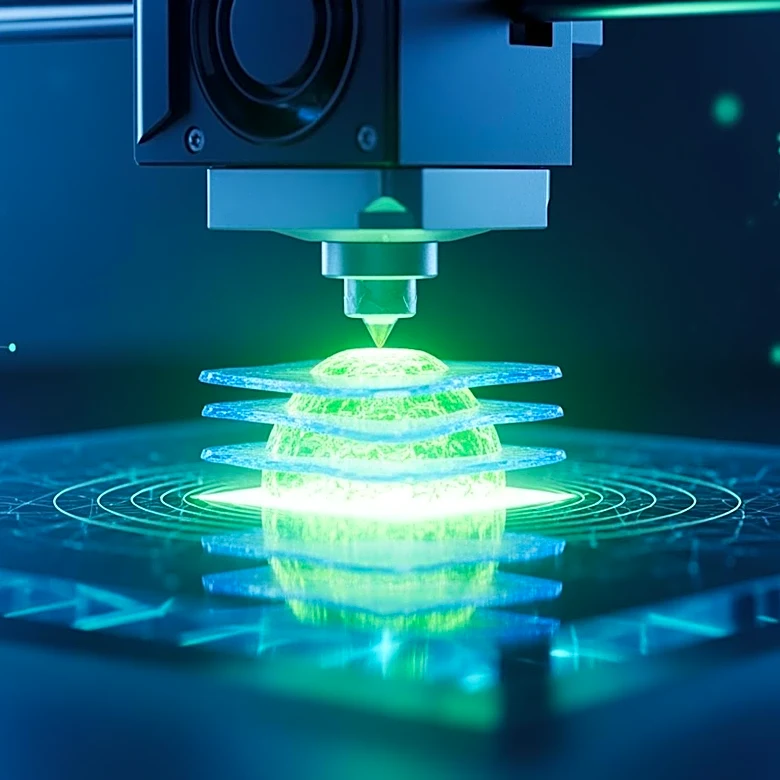
Recent advancements in 3D printing technology are poised to significantly reduce the costs associated with CAR T-cell therapy, a highly effective cancer treatment. Traditionally, CAR T-cell therapy involves extracting T-cells from a patient's blood, genetically engineering them to target cancer cells, and then reintroducing them into the patient's body. This process is not only time-consuming, taking about a month, but also extremely expensive, with costs exceeding £280,000 per treatment. The high cost has limited the availability of this therapy to wealthier nations. Researchers, led by Judit Guasch Camell at the Materials Science Institute of Barcelona, have developed a method using 3D-printed structures that mimic human lymph nodes, where T-cells are naturally activated. This innovation has shown to increase the efficiency of T-cell activation and proliferation, potentially reducing the need for costly chemicals and labor, thereby lowering overall treatment costs.