International Space Station Astronauts Face Unique Challenges with Time and Rituals
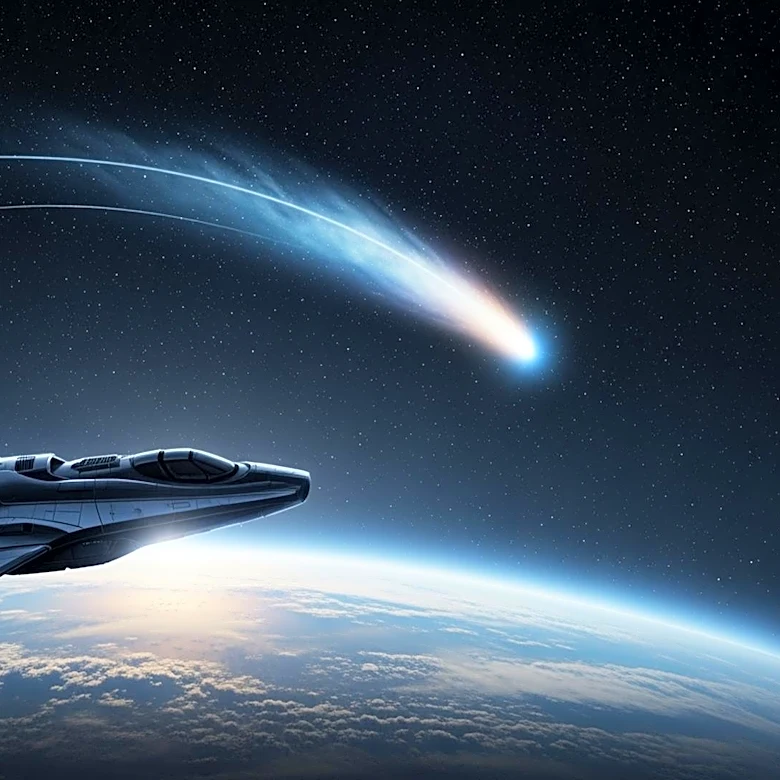
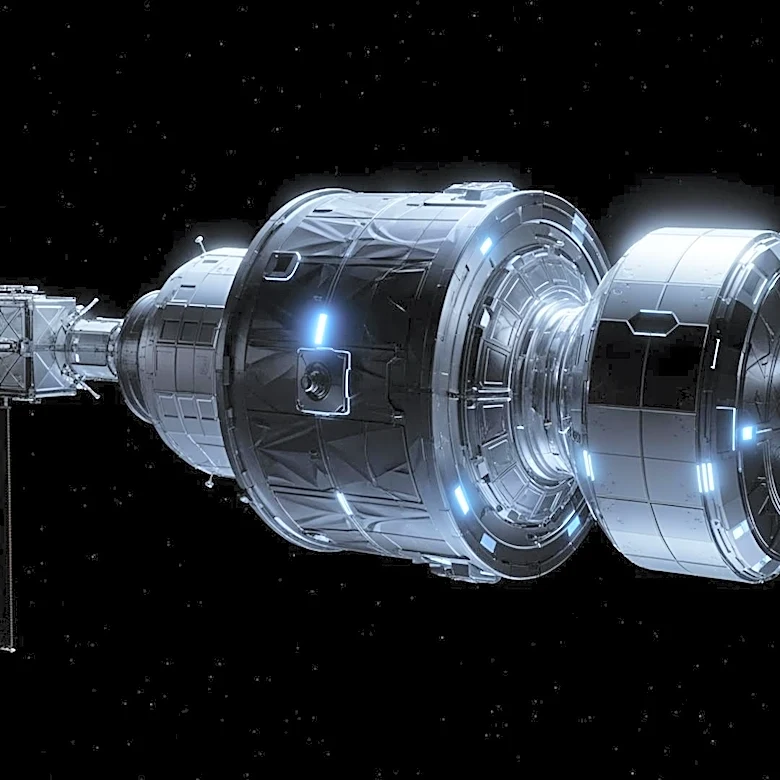
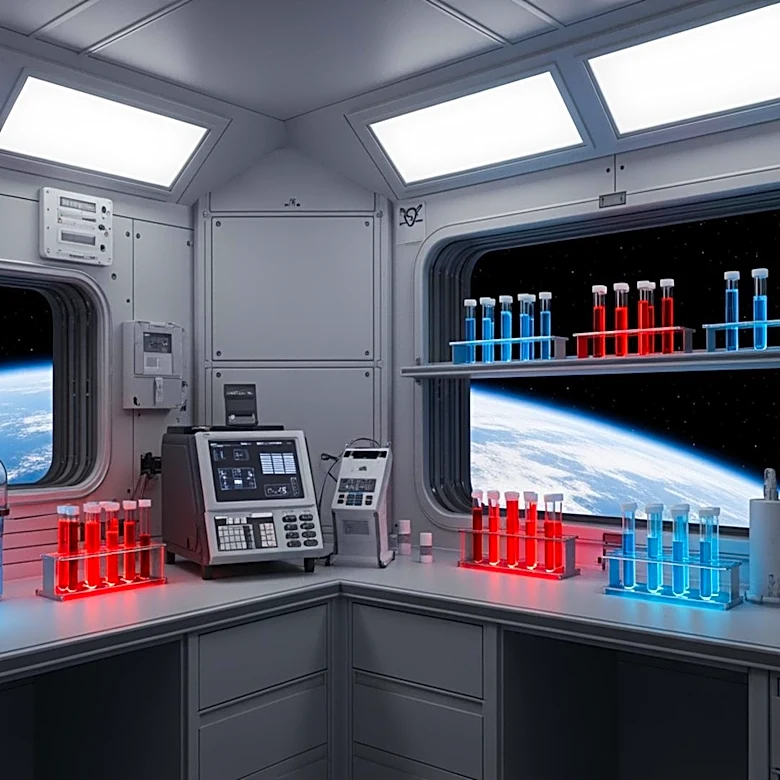
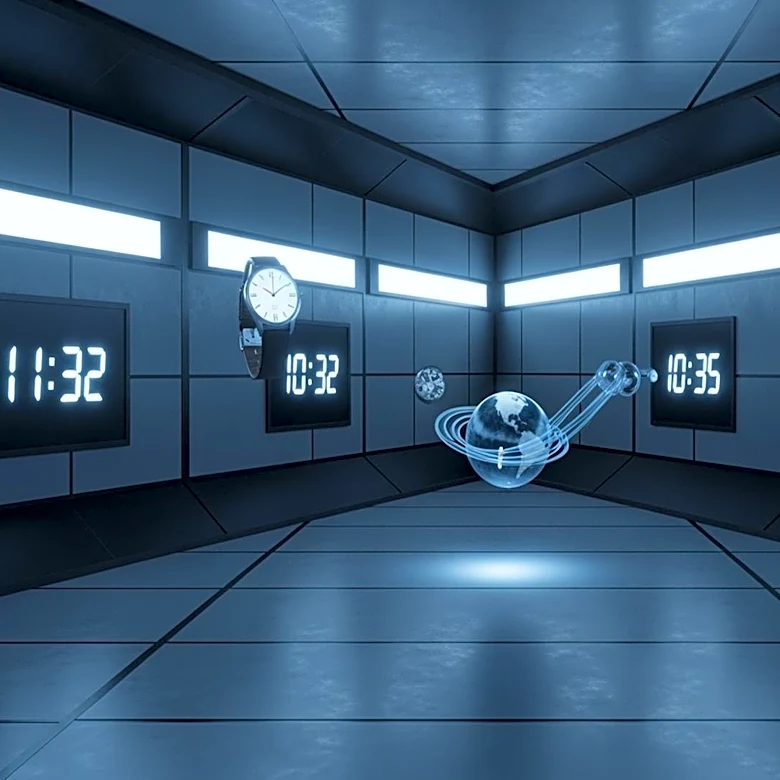
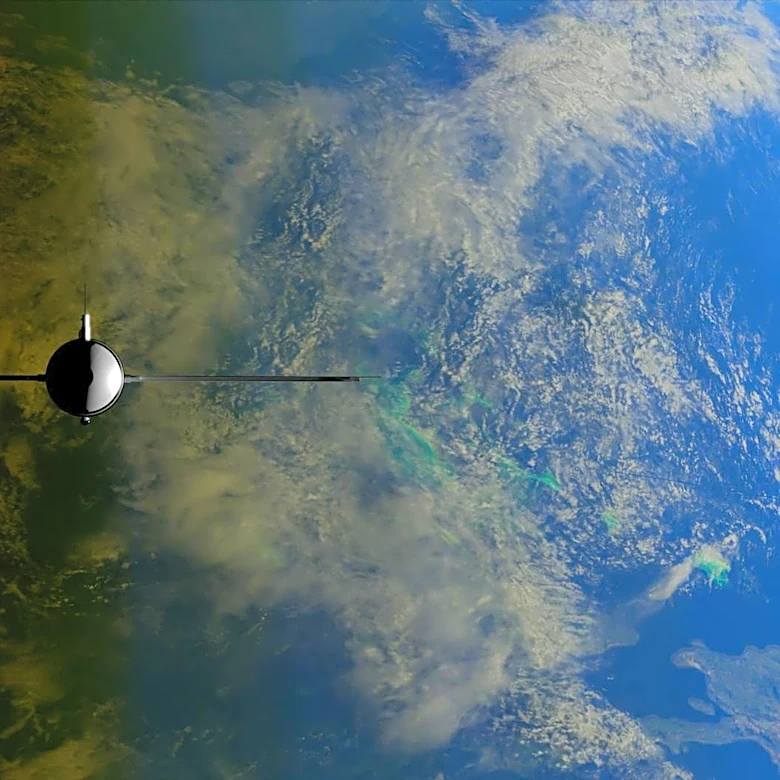
Astronauts aboard the International Space Station (ISS) experience a unique daily cycle, witnessing 16 sunrises and 16 sunsets every 24 hours due to the station's rapid orbit around Earth. This unusual environment presents significant challenges for maintaining human circadian rhythms, which are naturally aligned to a 24-hour day. The ISS operates on Coordinated Universal Time (UTC) to provide a consistent schedule for astronauts, who follow a structured routine to manage work, exercise, and rest. Despite these measures, the human body struggles to adapt to the 90-minute light-dark cycle, leading to potential disruptions in melatonin secretion, body temperature regulation, and cognitive function. To mitigate these effects, advanced lighting systems on the ISS simulate natural light patterns to help regulate astronauts' internal clocks. Additionally, cultural and religious practices, such as prayer and celebrations, are adapted to fit the unique conditions of space, ensuring that astronauts maintain a sense...