Red Light Therapy Utilizes Specific Wavelengths for Cellular Benefits, Distinguishing It from Laser Therapy
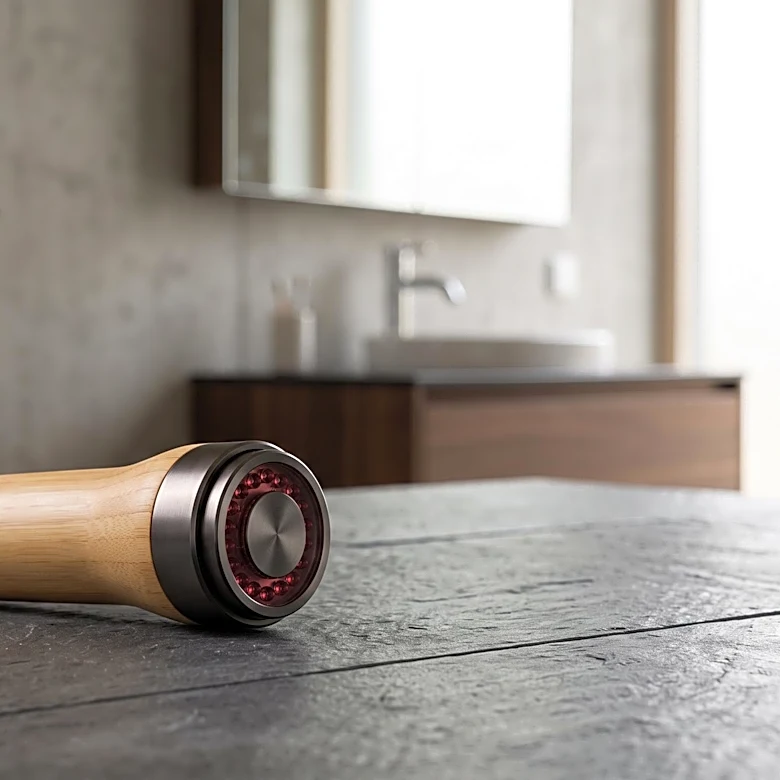
Red light therapy, also known as photobiomodulation, involves the use of specific wavelengths of red and near-infrared light to induce biological effects within the body. This therapy is distinct from laser therapy, even though both fall under the umbrella of photobiomodulation and may use similar parts of the light spectrum. The key difference lies in how the light energy is delivered and its intensity. Red light therapy typically uses LED-based devices such as masks, handheld devices, wraps, large panels, and full-body beds, which expose a relatively large area to light. In contrast, therapeutic lasers (Class 3B and Class IV) use laser diodes to apply light to more specific targets like muscles, tendons, or joints, delivering a more concentrated and targeted dose of energy. The effectiveness of either therapy is not solely determined by wavelength but also by factors such as power, energy dose, treatment time, and the area being treated. Therefore, a consumer red light panel, a Class 3B laser, and a Clas...