Global Impact of Vector-Borne Diseases: Key Facts and Prevention
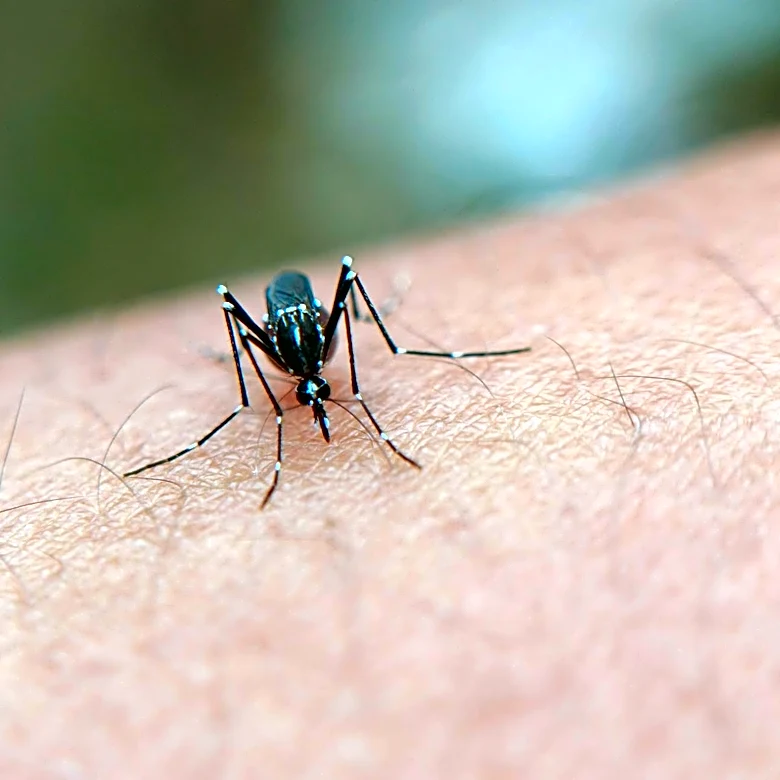
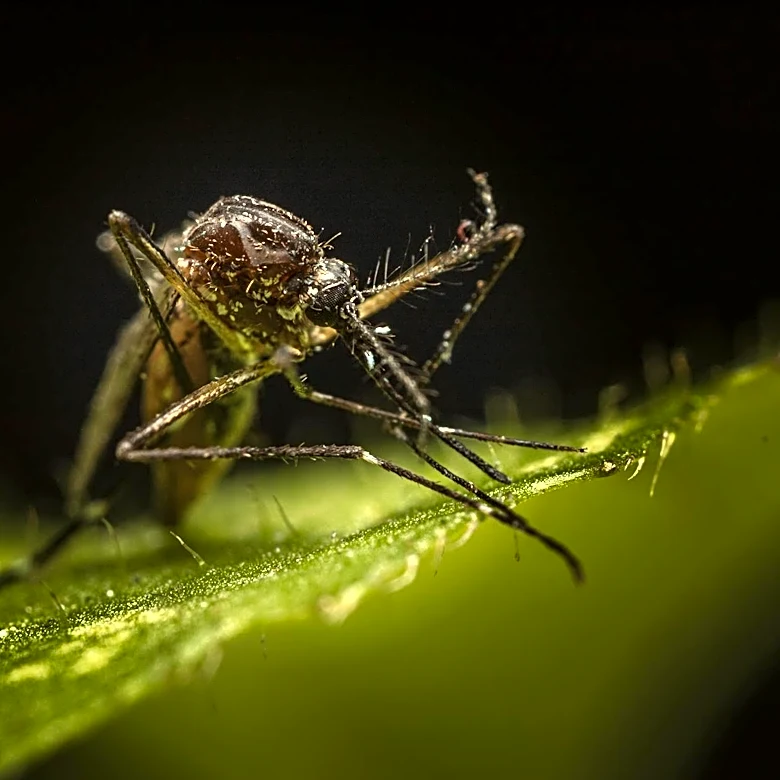
Vector-borne diseases, caused by parasites, viruses, and bacteria transmitted by vectors such as mosquitoes, ticks, and flies, account for over 700,000 deaths annually, according to the World Health Organization (WHO). Malaria, transmitted by Anopheline mosquitoes, leads to 249 million cases and over 608,000 deaths each year, primarily affecting children under five. Dengue, spread by Aedes mosquitoes, places 3.9 billion people at risk globally, with 96 million symptomatic cases and 40,000 deaths annually. Other diseases like chikungunya, Zika, yellow fever, and Japanese encephalitis also pose significant health risks. Climate change, urbanization, and global travel have expanded the range and activity of vectors, increasing the prevalence of these diseases. WHO emphasizes the importance of vector control, community mobilization, and improved infrastructure to combat these illnesses.