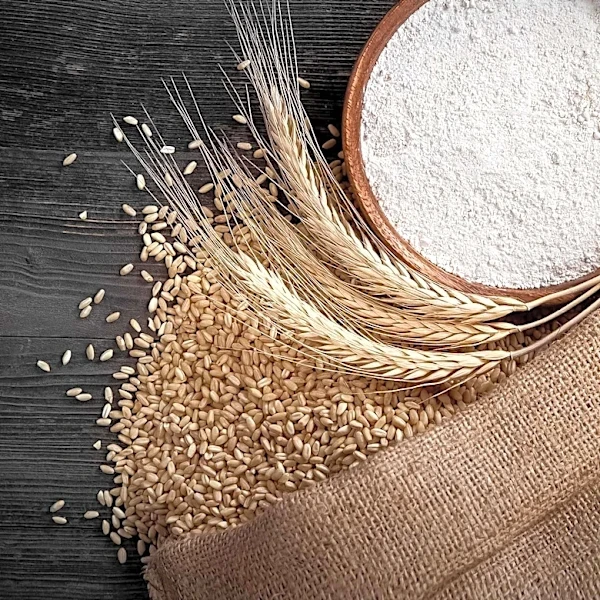
Whole Grain Consumption Linked to Improved Cardiovascular Health Factors
A new systematic review and meta-analysis published in the European Heart Journal indicates that consuming whole grains is associated with improvements in several cardiovascular disease risk factors. The research, which analyzed data from 87 randomized controlled trials involving over 6,500 participants, found that daily intake of approximately 60 to 100 grams of whole grains led to modest reductions in total cholesterol, LDL ('bad') cholesterol, and improvements in systolic blood pressure, fasting blood sugar, weight, and waist circumference. The study emphasizes replacing refined grains with whole grains rather than simply adding more carbohydrates to the diet. Examples of beneficial whole grains include oats, brown rice, bulgur, buckwheat, barley, and whole-grain bread with simple ingredient lists. The researchers also highlighted the importance of choosing less processed whole-grain options, noting the association between high consumption of ultra-processed foods and increased health risks.