Hurricanes and Tornadoes: Distinct Weather Phenomena with Different Preparedness Needs
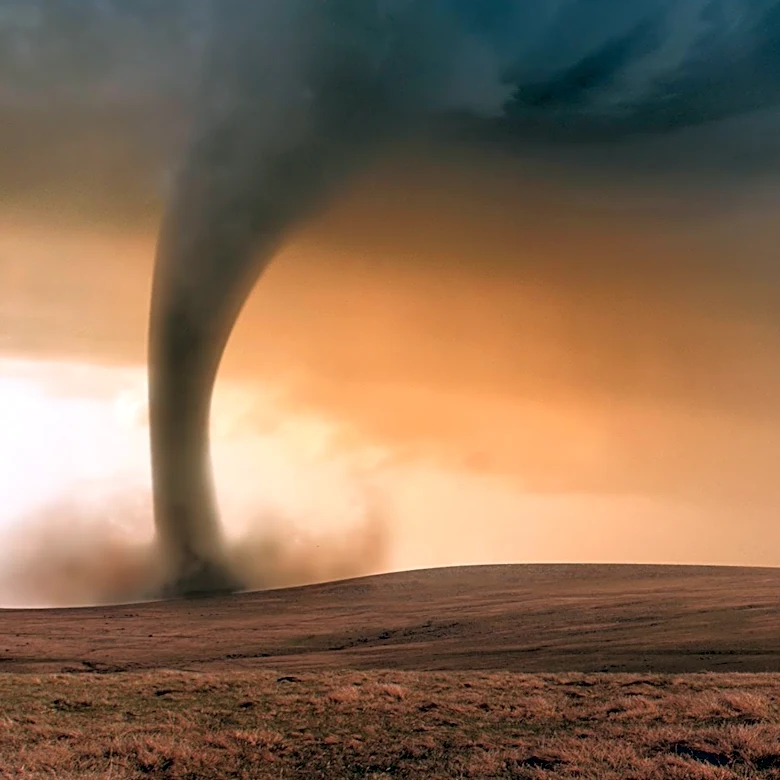
Hurricanes and tornadoes, while both destructive, are fundamentally different weather systems with distinct formation mechanisms, scales, and impacts. A hurricane is a large tropical cyclone that develops over warm ocean waters, affecting hundreds of miles with sustained winds, storm surge, heavy rain, and inland flooding, and can last for days. It begins as an organized tropical weather system, fueled by ocean heat and moisture, and is classified as a hurricane when sustained winds reach at least 74 mph. Tornadoes, in contrast, are much smaller, violently rotating columns of air extending from a thunderstorm to the ground. Their destructive path is narrower, and they typically last for minutes, though their winds can be locally more intense than hurricane winds. Tornadoes often form from supercells, requiring an unstable atmosphere and changes in wind speed or direction with height to establish rotation.