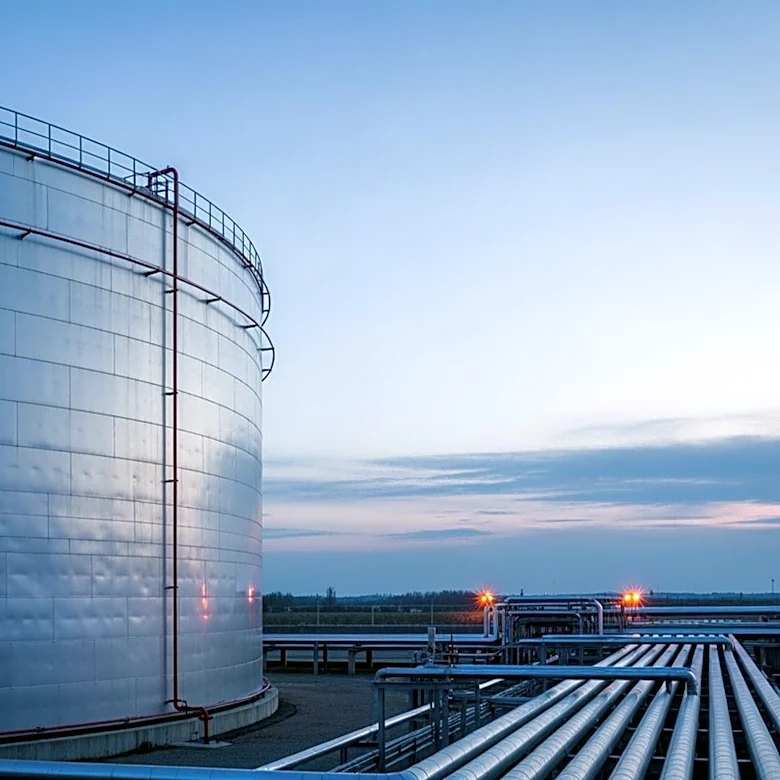
Strait of Hormuz Conflict Highlights Vulnerability of Fossil Fuel Supply Chains
The ongoing conflict in the Strait of Hormuz has significantly impacted global energy security, highlighting the vulnerabilities of fossil fuel supply chains. The strait, a critical passage for around 20% of the world's oil and liquefied natural gas, has been closed due to geopolitical tensions, leading to disruptions in energy supply. Energy experts, including those from Nordic energy companies Fortum and Statkraft, have pointed out that fossil fuels are now seen as intermittent and uncertain, a criticism previously directed at renewable energy sources. This shift in perception is prompting a reevaluation of energy policies, with a growing emphasis on renewable energy as a more stable alternative. The situation has also led to increased fuel costs and concerns over food security in regions heavily reliant on fossil fuel imports.